If you’ve spent time on social media, messaging apps, online communities, or dating platforms, you’ve probably come across the abbreviation WLW. Like many internet acronyms, WLW can seem confusing at first, especially if you’re unfamiliar with modern digital communication and online culture.
So, what does WLW mean in text?
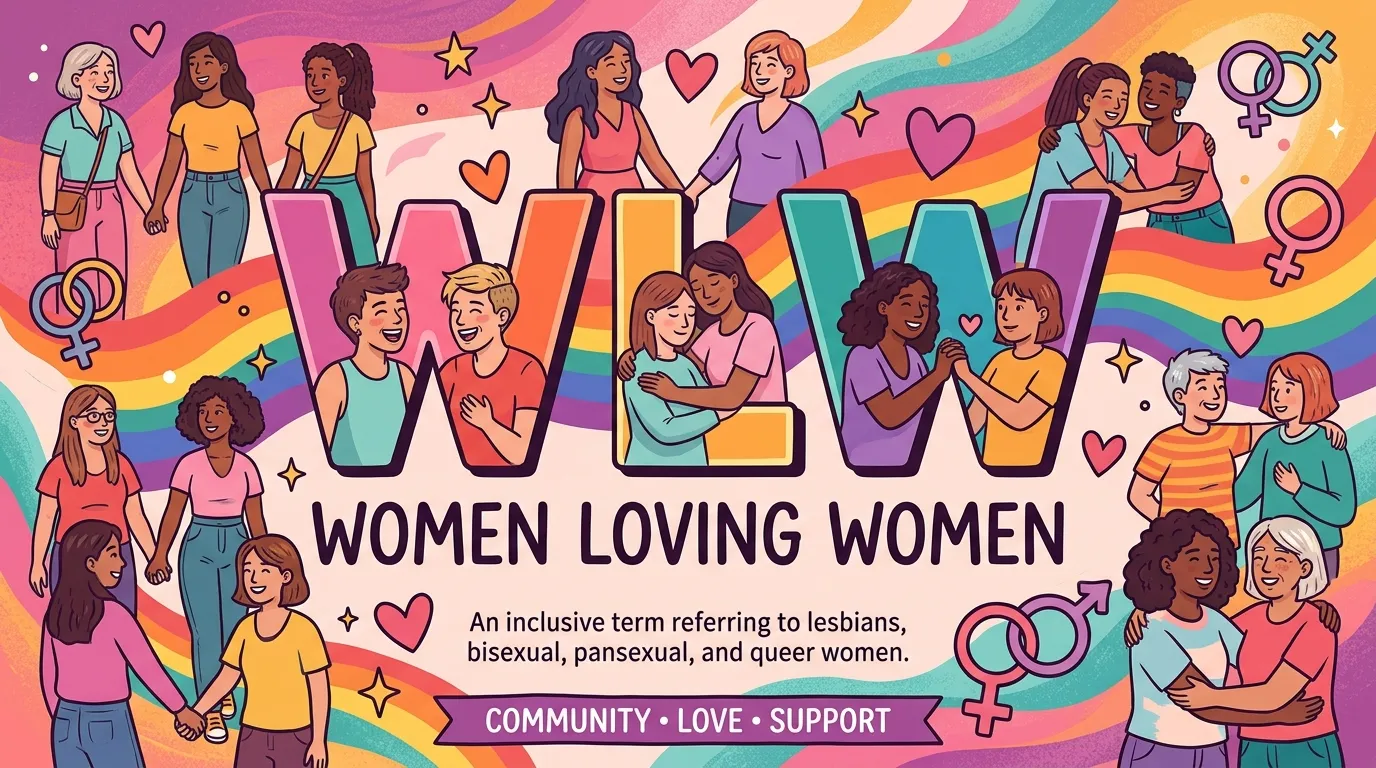
The abbreviation WLW most commonly stands for “Women Loving Women.” It is used to describe women who are romantically, emotionally, or physically attracted to other women. The term is widely used across social media platforms, online discussions, dating communities, and LGBTQ+ conversations.
Unlike some labels that refer to a specific sexual orientation, WLW is often used as an umbrella term that can include lesbian, bisexual, pansexual, queer, and other women who experience attraction to women.
As online communication continues to evolve in 2026, understanding terms like WLW helps people communicate more effectively and respectfully. In this complete guide, you’ll learn the meaning of WLW, where it came from, how it’s used in text messages, examples of conversations, related slang terms, and the best ways to use it correctly.
What Does WLW Mean in Text?
WLW stands for Women Loving Women.
The phrase describes women who are attracted to women, regardless of their specific identity label. It serves as an inclusive term that focuses on attraction rather than requiring someone to fit into a single category.
For example:
- A lesbian woman may identify as WLW.
- A bisexual woman attracted to women may identify as WLW.
- A queer woman may identify as WLW.
- A pansexual woman who loves women may also use WLW.
Because of its inclusiveness, the term has become increasingly popular in online communities.
Simple Definition
WLW = Women Loving Women
Meaning:
A broad term describing women who experience romantic or sexual attraction toward other women.
What Does WLW Stand For?
The abbreviation breaks down as follows:
W = Women
L = Loving
W = Women
Together:
WLW = Women Loving Women
The phrase emphasizes attraction, relationships, and shared experiences among women who love women.
Why Is WLW Used Instead of Lesbian?
Many people wonder why someone would use WLW instead of simply saying “lesbian.”
The answer is inclusivity.
While all lesbians are generally considered WLW, not all WLW identify as lesbians.
For example:
- A bisexual woman may date women and men.
- A pansexual woman may be attracted to multiple genders.
- A queer woman may not wish to use traditional labels.
WLW allows these individuals to discuss shared experiences without focusing on a specific identity.
The History of WLW
The term gained popularity through LGBTQ+ communities and online spaces.
Over time, people wanted language that was:
- More inclusive
- Less restrictive
- Easier to use in discussions
- Focused on experiences rather than labels
As social media expanded, WLW became common on platforms such as:
- X (formerly Twitter)
- TikTok
- Tumblr
- Discord
- Dating apps
Today, WLW is recognized worldwide as a widely used community term.
How WLW Is Used in Text Messages
In texting, WLW is often used as a quick way to reference attraction between women.
Examples:
- “I’m looking for more WLW book recommendations.”
- “That movie has amazing WLW representation.”
- “She’s one of my favorite WLW creators.”
- “The storyline focuses on a WLW relationship.”
The abbreviation helps keep messages short while conveying a specific meaning.
10 Examples of WLW in Text Conversations
Example 1
Person A: Have you watched that new romance series?
Person B: Yes! It has a really sweet WLW storyline.
Example 2
Person A: Any good book recommendations?
Person B: If you enjoy WLW romance, I know several great novels.
Example 3
Person A: Why is everyone talking about that show?
Person B: Because the WLW representation is excellent.
Example 4
Person A: What kind of content do you create?
Person B: Mostly WLW relationship content and lifestyle videos.
Example 5
Person A: Do you know any LGBTQ+ creators?
Person B: Yes, I follow several WLW influencers.
Example 6
Person A: What’s your favorite romance genre?
Person B: Definitely WLW romance stories.
Example 7
Person A: Why did that series become so popular?
Person B: Many viewers appreciated the authentic WLW characters.
Example 8
Person A: Is that movie worth watching?
Person B: Absolutely. The WLW storyline is beautifully written.
Example 9
Person A: What communities are you active in online?
Person B: Mostly LGBTQ+ and WLW spaces.
Example 10
Person A: What are you reading lately?
Person B: A fantasy novel featuring a WLW protagonist.
WLW Meaning on Social Media
On social media, WLW often appears in:
Hashtags
Examples:
- #WLW
- #WLWRomance
- #WLWBooks
- #WLWArtists
- #WLWCommunity
Content Descriptions
Creators may use WLW to describe:
- Stories
- Artwork
- Movies
- Books
- Podcasts
- Relationships
This helps audiences find content that matches their interests.
WLW Meaning on TikTok
TikTok users frequently use WLW when discussing:
- Relationships
- Dating experiences
- LGBTQ+ topics
- Entertainment reviews
- Book recommendations
Examples:
- “Best WLW books of the year.”
- “WLW movie recommendations.”
- “My favorite WLW characters.”
The term helps categorize content and build communities.
WLW Meaning on Instagram
Instagram creators often include WLW in:
- Profile bios
- Story highlights
- Captions
- Reels
- Hashtags
For example:
“Sharing WLW book reviews and recommendations.”
This lets followers know the focus of the account.
WLW Meaning in Dating Apps
On dating platforms, WLW may indicate:
- A user’s dating preference
- Community membership
- Interest in women-centered relationships
Using WLW can help people communicate their preferences clearly and respectfully.
Common Contexts Where WLW Appears
You may see WLW used in discussions about:
Relationships
Example:
“They are one of my favorite WLW couples.”
Books
Example:
“I’m searching for WLW fantasy novels.”
Movies
Example:
“This film includes a WLW romance.”
Television
Example:
“The WLW characters were well developed.”
Online Communities
Example:
“I joined a WLW discussion group.”
Related Terms Similar to WLW
Understanding related terms can make online communication easier.
MLM
MLM stands for Men Loving Men.
It refers to men who are attracted to men.
LGBTQ+
An umbrella term representing diverse gender identities and sexual orientations.
Sapphic
A term often used to describe women who are attracted to women.
Queer
A broad identity used by many people within LGBTQ+ communities.
Lesbian
A woman who is primarily attracted to women.
Bisexual
A person attracted to more than one gender.
Is WLW Offensive?
No.
WLW is generally considered a respectful and inclusive term.
However, as with any identity-related language, context matters.
Good practices include:
- Respecting individual preferences
- Avoiding assumptions
- Using terms people choose for themselves
Most communities view WLW as positive and inclusive.
When Should You Use WLW?
You can use WLW when discussing:
- Relationships involving women
- Representation in media
- Community experiences
- Literature and entertainment
- Online discussions
Examples:
- “I enjoy WLW romance novels.”
- “The show has strong WLW representation.”
- “She’s a popular WLW creator.”
When Should You Avoid Using WLW?
Avoid using WLW when:
- Someone prefers a different identity label.
- You are making assumptions about a person’s orientation.
- The context requires more specific terminology.
Respectful communication always involves listening to how individuals describe themselves.
Differences Between WLW and Lesbian
Although related, the terms are not identical.
Lesbian
- Specific sexual orientation.
- Women attracted primarily to women.
WLW
- Broader umbrella term.
- Includes lesbians and other women attracted to women.
Think of WLW as the larger category and lesbian as one identity within that category.
Why WLW Matters in Modern Communication
Language evolves as society changes.
WLW has become important because it:
- Encourages inclusion
- Recognizes diverse identities
- Creates community connections
- Improves representation
- Supports respectful discussions
Many people appreciate terminology that acknowledges shared experiences without requiring a specific label.
Popular Phrases Using WLW
You may encounter phrases such as:
- WLW community
- WLW relationship
- WLW romance
- WLW representation
- WLW content creator
- WLW books
- WLW movies
- WLW characters
- WLW readers
- WLW fans
These phrases are common across social media and entertainment discussions.
Frequently Asked Questions
Does WLW Always Mean Lesbian?
No.
WLW includes lesbians but may also include bisexual, pansexual, queer, and other women attracted to women.
Is WLW Only Used Online?
No.
Although common online, the term is also used in real-life conversations and community discussions.
Can Someone Identify as Both Lesbian and WLW?
Yes.
Many lesbians also identify as WLW.
Is WLW a Sexual Orientation?
Not exactly.
WLW is an umbrella term describing attraction patterns rather than a single specific orientation.
Why Is WLW Popular?
Because it is inclusive, concise, and widely understood within modern digital culture.
Final Thoughts
Understanding what WLW means in text can help you navigate modern conversations, social media, online communities, and digital culture with greater confidence. The abbreviation WLW, meaning Women Loving Women, serves as an inclusive umbrella term for women who experience romantic, emotional, or physical attraction toward other women.
Whether you encounter WLW in text messages, TikTok videos, Instagram posts, online forums, books, movies, or dating platforms, the term generally reflects community, representation, and shared experiences.
As online language continues to evolve in 2026, knowing common abbreviations like WLW makes communication clearer and more respectful.
By understanding its meaning, usage, and context, you can participate in conversations more effectively and appreciate the diverse ways people express identity and connection in today’s digital world.