
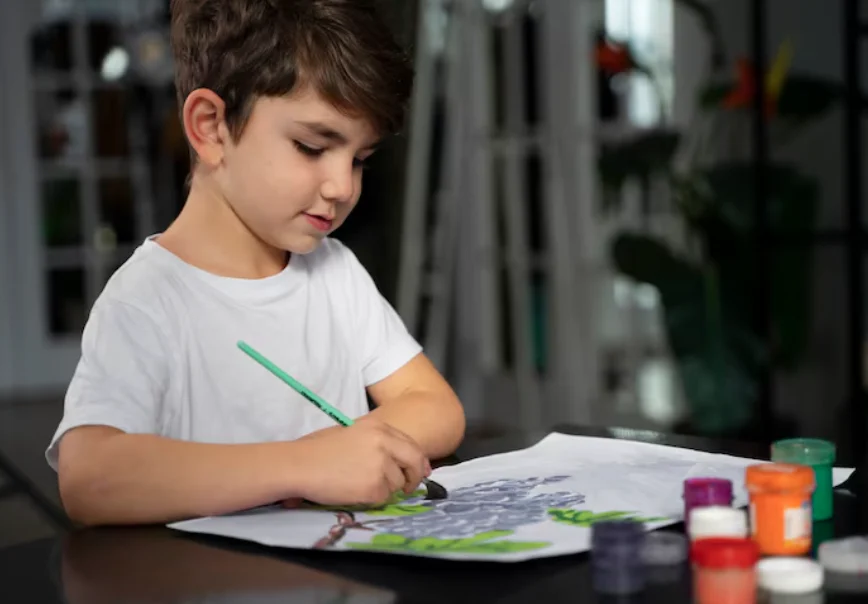
Creativity and imagination are far more than mere artistic talents or entertaining pastimes; they form the bedrock of critical thinking, problem-solving, and emotional maturity in early childhood development. When children are given the freedom to imagine, invent, and explore, they build essential neural connections that enhance cognitive flexibility and abstract reasoning.
Fostering these vital traits does not require expensive high-tech toys or overly rigid lesson plans. Instead, simple daily practices, rich sensory environments, and thoughtful adult guidance can unlock a young child’s natural creative potential.
Embrace the Power of Open-Ended Play
Unstructured, open-ended play serves as a natural laboratory where children test original ideas, explore boundaries, and learn without fear of failure. Unlike structured activities that demand a specific outcome, open-ended play encourages divergent thinking—the ability to generate multiple solutions to a single challenge.
To nurture this form of play, provide versatile, everyday materials rather than single-purpose toys. Consider offering:
- Building blocks, wooden planks, or interlocking bricks
- Cardboard boxes, paper tubes, and fabric scraps
- Modelling clay or homemade playdough
- Natural elements like stones, leaves, acorns, and sticks
A plain cardboard box can transform into a castle, a spaceship, a submarine, or a cozy cave depending entirely on a child’s narrative. By allowing children to take the lead in their play without stepping in to correct them, you foster independent decision-making and inventive thought.
Combine Art with Play and Sensory Discovery
Artistic endeavors offer a powerful medium for emotional expression, fine motor refinement, and spatial awareness. However, cultivating true imagination requires focusing on the creative process rather than the final product. When adults emphasize perfection or exact replication, children often feel constrained and hesitant to experiment.
Creative Art Strategies
- Explore Unconventional Tools: Swap standard paintbrushes for sponges, cotton swabs, plastic forks, or tree leaves to discover new patterns and textures.
- Set Up a Color Laboratory: Give children primary colors and let them experiment with mixing to discover how new shades emerge.
- Combine Art with Storytelling: Encourage children to draw scenes as a story is read aloud, or use paper bags and socks to create original puppets for a home theater performance.
Embracing a little mess and establishing a designated workspace gives young artists the confidence to take creative risks and express their unique worldview.
Turn Reading into Interactive Storytime
Storytelling is a magical key to expanding vocabulary, narrative comprehension, and creative visualization. To maximize its impact, transform reading from a passive listening exercise into an active, collaborative dialogue.
While reading together, pause periodically to ask open-ended questions that prompt deeper reflection:
- “What do you think will happen next?”
- “Why do you think the character made that choice?”
- “If you were in this story, how would you solve this problem?”
You can also invite children to invent alternative story endings or act out character roles through dramatic pretend play. Pretending to be doctors, teachers, explorers, or chefs allows kids to step into different perspectives, building both social empathy and imaginative depth.
Create Supportive Environments and Daily Routines
A child’s physical and social environment plays a significant role in their willingness to explore new concepts. Designating quiet reading nooks, accessible art corners, and open floor space for building projects invites spontaneous discovery throughout the day. Furthermore, children need ample, uninterrupted time to immerse themselves deeply in play, as creative breakthroughs rarely occur when schedules are overly rushed.
Beyond the home setting, quality enrichment programs and before and after school care options provide structured yet playful environments where children continue to expand their horizons. These programs offer collaborative group activities, storytelling circles, and diverse learning materials that encourage social interaction, peer-to-peer idea sharing, and collective problem-solving.
Celebrate Curiosity and Effort
Children are naturally inquisitive, frequently asking “why” and “how” about the world around them. Responding to their questions with patience and encouraging further inquiry keeps their innate wonder alive.
When a child shares a finished drawing, a tower of blocks, or a newly invented game, focus your praise on their effort, imagination, and decision-making process. Instead of simply saying “good job,” ask open-ended prompts like “Can you tell me the story behind what you made?” This invites children to articulate their thoughts, take pride in their unique creations, and feel validated in their original ideas.
Conclusion
Developing creativity and imagination in young children is a rewarding journey that lays a strong foundation for lifelong learning, adaptability, and personal confidence. By offering open-ended materials, encouraging process-focused art, engaging in interactive storytelling, and providing supportive care environments, parents and educators empower children to view the world with curiosity and inventive spirit. Nurturing these essential skills today equips the next generation to navigate tomorrow’s challenges with innovation, resilience, and joy.
Read more : Why Practical Skills Are Becoming More Important in Education