
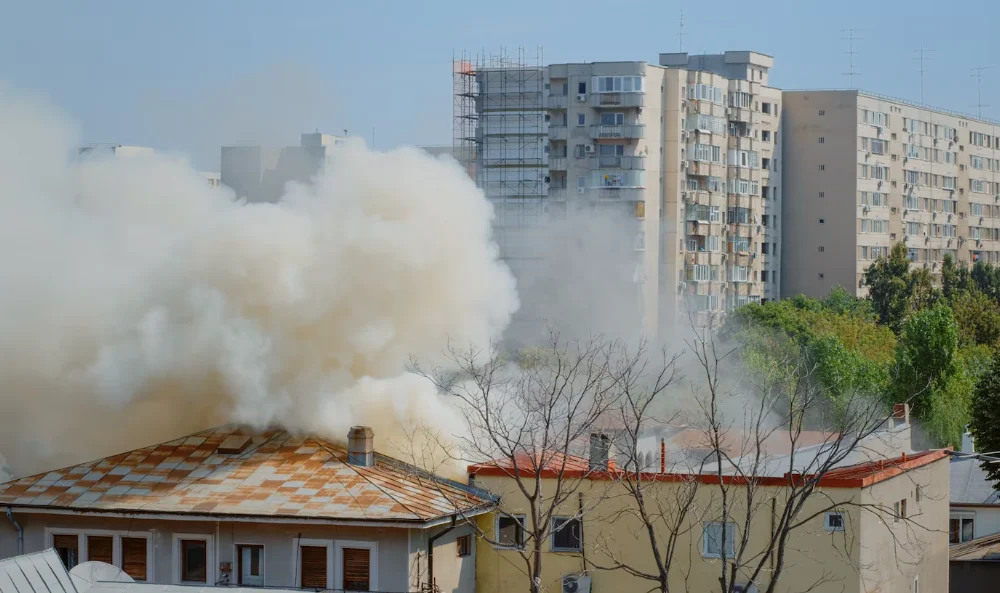
When wildfire smoke drifts into Puget Sound, many Seattle homeowners rely on their central air or heat pump to keep indoor air breathable. The instinct is right, but the details matter. A filter that is too restrictive, a fan mode used at the wrong time, or a ventilation setting left unchanged can quietly undermine airflow and strain equipment. The goal is straightforward yet technical: capture fine particles while keeping enough air moving across the evaporator coil or heat exchanger. This guide explains how filtration and ventilation choices interact with your HVAC system so you can protect indoor air without creating avoidable repairs.
1. Why high MERV filters can stress blowers and coils
Higher MERV ratings capture smaller smoke particles, but they also increase airflow resistance, called static pressure. In older Seattle houses with a single undersized return grille and a 1-inch filter slot, installing a very tight, high-MERV filter can reduce airflow so much that a heat pump’s evaporator coil ices over or a furnace trips its high-limit switch. If you already hear loud whistling at the return or notice weak supply airflow, it is wise to have a technician experienced in local HVAC repair in Seattle check static pressure and coil condition before the damage spreads.
How your blower responds also matters. Many variable-speed blowers try to maintain target airflow and will ramp up, running louder and longer. Older fixed-speed motors simply move less air as resistance rises. In either case, the system works harder. Limited airflow increases refrigerant pressures in cooling, encourages frost on the suction line, and can overheat a furnace heat exchanger. Small, cumulative stress like this shows up later as worn blower bearings, a tired capacitor, or refrigerant performance issues that wouldn’t appear with a less restrictive setup.
2. Picking the right filter size and media for your return
A deeper, pleated media filter offers more surface area and usually less resistance at a given MERV than a thin 1-inch filter. If your air handler or furnace can accept a 4-inch media cabinet, a MERV 11 or MERV 13 media cartridge is often a balanced approach for smoke. If your home is limited to a 1-inch return slot, consider a quality MERV 11 during severe smoke, and change it more often. Make sure the airflow arrow points toward the blower, and ensure the filter seals against the rack so air cannot bypass around the edges.
Match the filter to the return grille. A small hallway grille that whistles with a dense filter is telling you it needs more surface area. Upgrading to a larger return grille or adding a second return can dramatically reduce pressure drop. Avoid stacking two thin filters or doubling them up at different grilles just to chase higher MERV ratings, which compounds resistance. When in doubt, ask a technician to measure total external static pressure and recommend a media cabinet or return upgrade that fits your specific air handler and duct layout.
3. Running the system during smoke: fan settings, outside air, and HEPA help
During heavy smoke, set the thermostat to recirculate indoor air through the filter. Running the fan continuously helps a good filter remove particles, but it comes with a trade-off. If the cooling coil is wet, a continuous fan can re-evaporate moisture and raise indoor humidity. Seattle’s smoke events often arrive in drier late-summer conditions so that the fan can be useful then. If the air is muggy after a hot day, consider intermittent fan or short recirculation cycles to balance particle capture and moisture control.
Limit outdoor air until the AQI improves. Close any manual outside-air dampers and reduce or temporarily turn off HRV or ERV systems that bring smoky air indoors unless they have upgraded high-MERV filtration. Use kitchen and bath exhaust fans sparingly, since they also pull outdoor makeup air. Supplement central filtration with portable HEPA units in bedrooms or a designated clean room. For example, a 1940s bungalow with one small return and a 1-inch filter may rely on two HEPA purifiers overnight to take pressure off the blower. In contrast, a newer townhouse with a 4-inch media cabinet can run the central fan longer with less risk.
4. Warning signs of airflow trouble you can spot quickly.
Several clues suggest the filter setup is too restrictive. Listen for a new, high-pitched whistle at the return grille, especially after upgrading to a tighter filter. Feel for weak or uneven supply airflow at distant registers. In cooling, check the insulated copper suction line near the air handler; visible frost or a block of ice on the indoor coil points to low airflow or low refrigerant. In heating, a furnace that cycles on and off quickly or flashes frequent errors may be tripping on the high limit. Other signs include a burnt dust smell from an overheated blower, higher-than-usual energy use for the same comfort, or condensate overflowing because an iced coil thawed rapidly.
After the smoke clears: restoring airflow and planning upgrades
Once outdoor air improves, change the filter even if it does not look dirty. Smoke particles are tiny and can clog deep in the media, raising resistance. Vacuum the front of the return grille, wipe the filter rack, and inspect the evaporator coil if you suspect icing. Flushing the condensate drain after a smoke event helps remove fine debris that can seed algae growth. If the system struggled, schedule a performance check that includes measuring static pressure, verifying blower speed settings, and confirming the temperature split across the coil or heat exchanger.
Use what you learned to make a permanent plan. If you had to compromise on filtration to keep airflow healthy, consider a 44-inchmedia cabinet retrofit or an additional return to lower static pressure. If bedrooms still feel smoky with the central fan running, keep a dedicated HEPA unit in those rooms and reserve your central filter for whole-house recirculation. For homes with HRVs or ERVs, ask about filter upgrades and control settings that reduce outdoor intake during future smoke days. These targeted changes let you protect indoor air during wildfire season without overworking the blower, freezing the coil, or tripping a furnace limit, so comfort and equipment longevity stay on the same side.
Read More: Making Healthcare More Accessible Through Personalised Care at Home