Great cooking does not always require a long ingredient list, advanced techniques, or hours of preparation. In fact, some of the most flavorful meals are built from a few simple ingredients used thoughtfully. The secret is understanding how flavor develops and knowing where small changes can make a big difference.
Whether you are preparing a quick weeknight dinner, a simple lunch, or a comforting family meal, there are practical ways to improve taste without making the recipe harder. By focusing on seasoning, texture, cooking methods, and a few reliable flavor boosters, ordinary food can become much more satisfying.
Start With Good Seasoning
Salt is one of the simplest tools for improving flavor, but timing matters. Instead of adding all the salt at the end, season ingredients gradually during cooking.
For example, when making a vegetable soup, lightly season the onions while they cook, add another small amount after introducing the vegetables, and taste again before serving. Layering seasoning in this way allows flavor to develop throughout the dish.
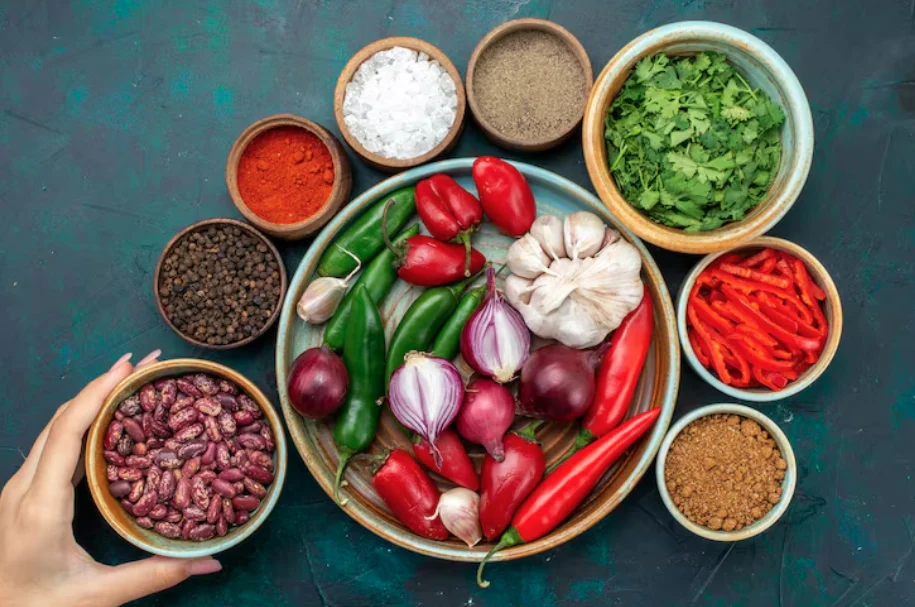
Pepper, dried herbs, garlic powder, paprika, cumin, and similar pantry spices can also add complexity with almost no extra work.
The important rule is to taste as you cook. Small adjustments are easier to control than trying to fix an underseasoned dish at the last minute.
Brown Ingredients Whenever Possible
Browning is one of the easiest ways to create deeper flavor.
When meat, vegetables, mushrooms, or even tomato paste develop a golden or brown surface, new savory flavors are created. This happens through chemical reactions caused by heat and can make a simple dish taste considerably richer.
Instead of constantly stirring onions, allow them to sit against the hot pan for a short time. Roast vegetables until their edges become slightly caramelized. When cooking chicken or beef, let one side develop a good crust before turning it.
A little patience during this stage can produce more flavor without requiring additional ingredients.
Use Aromatics as a Flavor Base
Onions, garlic, ginger, celery, carrots, chilies, and fresh herbs can create an excellent foundation for countless meals.
You do not need to use all of them. Even one or two can transform a dish.
Cooking chopped onion in a little oil before adding rice, beans, soup, or meat creates more depth than simply combining everything at once. Garlic added near the end of sautéing provides another layer of aroma.
For Asian-inspired dishes, ginger and garlic make an easy starting point. For Mediterranean-style meals, onions, garlic, oregano, and olive oil can do much of the work.
Building a flavorful base takes only a few extra minutes.
Add Acidity at the End
When a dish tastes heavy, flat, or as though something is missing, the answer is not always more salt.
Often, it needs acidity.
A squeeze of lemon or lime juice can brighten soups, grilled foods, vegetables, fish, and rice dishes. A small splash of vinegar can improve stews, sauces, beans, and salads.
Acidity creates contrast and makes existing flavors feel more noticeable.
Try adding just a small amount before serving. You may be surprised by how much more balanced the dish becomes.
Keep a Few Powerful Ingredients Available
Some ingredients deliver a large amount of flavor with very little effort.
Useful examples include:
- Parmesan cheese
- Soy sauce
- Mustard
- Tomato paste
- Worcestershire sauce
- Chili flakes
- Pesto
- Stock or broth
- Butter
- Fresh herbs
These ingredients are especially useful when cooking quickly.
A spoonful of tomato paste browned with onions can strengthen a pasta sauce. A little soy sauce can add savory depth to stir-fries, marinades, soups, and even certain meat dishes. Parmesan can bring saltiness and richness to vegetables, pasta, eggs, or potatoes.
You do not need dozens of specialty ingredients. A small collection of reliable flavor boosters can cover many different recipes.
Toast Spices Before Using Them
Dried spices can become noticeably more aromatic when briefly heated.
If you are cooking curry, chili, rice, or roasted vegetables, add the spices to a little oil and cook them for around 20 to 30 seconds before introducing liquid ingredients.
The heat helps release aromatic compounds and spreads the flavor throughout the cooking oil.
Be careful not to burn them, however. Spices can become bitter if exposed to high heat for too long.
This small technique requires almost no extra effort but can make familiar dishes taste much more vibrant.
Do Not Forget Texture
Flavor is influenced by more than taste alone. Texture changes the way food feels and can make simple meals more interesting.
A creamy soup becomes more exciting with toasted seeds or croutons. Soft pasta benefits from crispy breadcrumbs. Rice bowls can be improved with crunchy vegetables, roasted nuts, or fried onions.
Try combining something soft with something crisp, or something creamy with something fresh.
These contrasts create the impression of a more complex dish even when the recipe itself remains simple.
Finish With Fresh Ingredients
Fresh herbs, citrus zest, green onions, chopped parsley, coriander, or basil can completely change a finished meal.
Cooked ingredients often develop deeper and richer flavors, while fresh ingredients provide brightness and aroma. Combining the two creates balance.
For example, a bowl of pasta may already taste good, but fresh basil and grated lemon zest can make it feel lighter and more aromatic. A curry can gain freshness from coriander added just before serving.
These finishing touches require little preparation and often make food look better as well.
Use the Cooking Pan to Your Advantage
After browning meat or vegetables, you may notice browned pieces stuck to the bottom of the pan. Do not immediately wash them away.
Those browned bits contain concentrated flavor.
Add a small amount of water, broth, wine, or another suitable liquid and gently scrape the pan. The flavorful mixture can then become the beginning of a quick sauce.
Even plain water can work because the goal is simply to release what is already in the pan.
This technique allows you to create extra flavor without introducing a long list of ingredients.
Keep Cooking Simple but Intentional
Building more flavor is not about making recipes complicated. It is about making each step count.
Season gradually, allow ingredients to brown, use aromatic vegetables, add acidity when necessary, and finish meals with something fresh. Keep a few versatile flavor-enhancing ingredients in your kitchen and learn how to combine contrasting textures.
Once these habits become familiar, they require very little thought or additional time.
The difference between an ordinary meal and a memorable one often comes from two or three small decisions rather than an elaborate recipe. By understanding how simple ingredients interact, you can prepare flavorful food more consistently while keeping everyday cooking easy, practical, and enjoyable.
Read More : Read more : How Regional Ingredients Shape Traditional Food Cultures/IDM Meaning in Text: What Does IDM Mean in Chat, Social Media, and Messaging?