
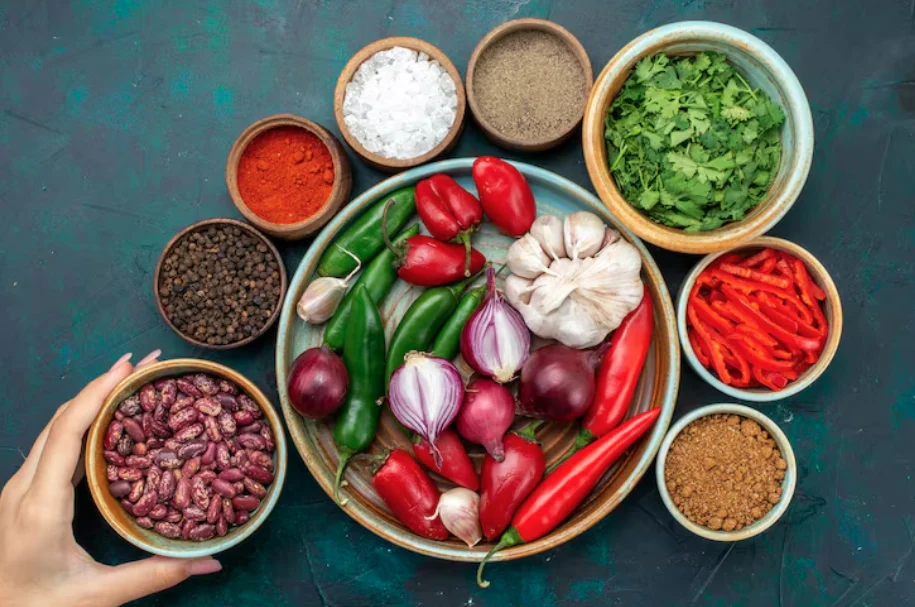
Food is much more than something people eat for nourishment. It reflects geography, history, climate, agriculture, trade, religion, and generations of cultural knowledge. One of the strongest influences on traditional cuisine is the availability of regional ingredients. The foods that naturally grow, thrive, or are produced in a particular area often become the foundation of that region’s culinary identity.
From rice-based dishes across much of Asia to olive oil-centered cuisines in Mediterranean countries, local ingredients have helped communities develop unique flavors and cooking traditions. Understanding how regional ingredients shape traditional food cultures offers a deeper appreciation of why cuisines around the world are so diverse.
Geography Determines What People Eat
Geography plays an important role in determining which ingredients are available to a community. Coastal areas often depend heavily on seafood, while inland agricultural regions may rely more on grains, livestock, vegetables, or dairy products.
For example, communities located near oceans, rivers, and lakes traditionally developed dishes featuring fish, shellfish, seaweed, and other aquatic foods. In mountainous areas, people often relied on hardy crops, preserved foods, and livestock capable of surviving difficult terrain.
The surrounding environment therefore influences both everyday meals and traditional specialties. Over time, certain ingredients become strongly connected with a region’s identity.
Climate Shapes Agricultural Traditions
Climate has an equally important influence on traditional cuisine. Temperature, rainfall, soil conditions, and growing seasons determine which crops can be successfully cultivated.
Warm tropical regions may produce coconuts, bananas, mangoes, rice, chilies, and a wide range of spices. Cooler climates may be better suited for potatoes, wheat, cabbage, apples, and root vegetables.
The Mediterranean climate, for example, supports ingredients such as olives, grapes, tomatoes, herbs, citrus fruits, and wheat. These ingredients appear repeatedly in the traditional cuisines of countries surrounding the Mediterranean Sea.
In South and Southeast Asia, warm conditions allow farmers to cultivate rice, spices, tropical fruits, and aromatic plants that have become essential elements of countless regional dishes.
Staple Ingredients Create Culinary Identity
Most traditional cuisines are built around one or more staple foods. These ingredients provide a major source of calories and are often incorporated into meals in many different ways.
Rice is one of the most important staples across Asia. It can be steamed, fried, fermented, ground into flour, turned into noodles, or used in desserts. Wheat plays a similar role in many parts of Europe, Central Asia, and the Middle East, where it appears in breads, pasta, dumplings, pastries, and other foods.
Corn has historically shaped cuisines throughout the Americas. Potatoes have played a major role in Andean cultures and later became essential ingredients in many European cuisines.
Because staple ingredients are eaten so frequently, communities develop countless preparation techniques around them. This helps create recognizable regional food traditions.
Local Spices Define Regional Flavors
Spices and herbs often provide the distinctive flavors that separate one regional cuisine from another.
Traditional Indian cooking, for instance, uses combinations of cumin, coriander, turmeric, cardamom, mustard seeds, chilies, and many other spices. However, ingredient preferences can vary significantly between different regions of India.
Thai cuisine frequently incorporates lemongrass, galangal, chilies, lime, basil, and fish sauce. Mediterranean cooking often emphasizes ingredients such as oregano, rosemary, garlic, basil, and olive oil.
These flavoring ingredients are not simply additions to food. They become part of cultural memory. The aroma of a familiar spice mixture can immediately remind people of family meals, festivals, childhood experiences, or their hometown.
Preservation Techniques Develop From Local Conditions
Regional ingredients also influence how communities preserve food.
Before refrigeration became common, people needed reliable methods to keep seasonal foods edible for longer periods. Different environments encouraged different preservation techniques.
Dry climates made sun-drying practical, while colder regions could naturally preserve foods through freezing. Communities around the world also developed fermentation, salting, smoking, pickling, curing, and drying techniques.
Kimchi in Korea, fermented vegetables in many parts of Asia, cured meats in Europe, dried fish in coastal regions, and pickled vegetables across numerous cultures all demonstrate how preservation methods can eventually become celebrated culinary traditions.
What began as a practical solution often evolved into an important cultural food.
Seasonal Ingredients Influence Traditional Celebrations
Many festivals and cultural celebrations are closely connected to seasonal harvests.
Traditional dishes are often prepared when particular crops become available. Harvest festivals may celebrate rice, wheat, fruits, vegetables, or other agricultural products important to a community.
Seasonal ingredients can also influence religious ceremonies, weddings, family gatherings, and national celebrations. Families may prepare specific recipes only once or twice each year because the ingredients traditionally belong to a certain season.
These customs strengthen the relationship between food, nature, and cultural identity.
Trade Expanded Regional Food Cultures
Although traditional cuisines are strongly influenced by local ingredients, they have never been completely isolated.
Trade routes introduced new foods to different regions throughout history. Ingredients such as tomatoes, potatoes, chilies, cacao, coffee, tea, and spices traveled across continents and transformed existing cuisines.
Tomatoes, originally from the Americas, eventually became essential to Italian cooking. Chilies also originated in the Americas but became deeply integrated into cuisines across Asia.
This shows that traditional food cultures are constantly evolving. An ingredient may begin as something foreign but eventually become so important that future generations consider it part of their culinary heritage.
Traditional Food Preserves Local Knowledge
Regional cooking traditions contain valuable knowledge about agriculture, nutrition, preservation, and resource management.
Traditional recipes often teach people how to use ingredients efficiently. Vegetable leaves, animal bones, grains, herbs, seeds, and leftover foods may all be incorporated into dishes rather than wasted.
Many indigenous and rural communities also maintain detailed knowledge about wild plants, seasonal foods, medicinal herbs, and sustainable harvesting practices.
When traditional ingredients disappear because of environmental changes, industrial agriculture, or changing eating habits, some of this knowledge can disappear as well.
Regional Ingredients Connect People With Place
Perhaps the greatest significance of regional ingredients is their ability to connect people with their surroundings.
Traditional foods tell stories about landscapes, farming communities, migration, weather, trade, and family history. A dish prepared with locally grown ingredients can represent generations of adaptation to a particular environment.
Even as global food systems make international ingredients widely available, regional cuisines remain powerful expressions of identity.
Conclusion
Regional ingredients are one of the foundations of traditional food cultures. Geography, climate, agriculture, seasonal availability, preservation methods, and historical trade all influence what communities cook and eat.
Over generations, locally available ingredients become connected with recipes, celebrations, memories, and cultural traditions. They help explain why the world’s cuisines are so varied and why traditional dishes often have such strong emotional meaning.
By preserving regional ingredients and traditional cooking knowledge, communities can protect not only distinctive flavors but also valuable pieces of cultural history.
Read more : How to Create a Monthly Budget You Can Actually Follow/What Does MBN Mean in Texting? Complete Guide to Meaning, Usage, Examples, and Alternatives