
If you’re planning a road trip through Northern Ireland, there is a good chance you’re landing on the ferry route from Cairnryan to Larne. It’s the easiest way to cross the Irish Sea with your car packed to the brim with hiking boots, rain coats, and camera gear. Once you roll off the ship in Larne, don’t just stick to the obvious tourist traps along the Antrim coast. Point your car south toward Newcastle and the Mourne Mountains.
Tucked into the base of those dramatic peaks sits Tollymore Forest Park.
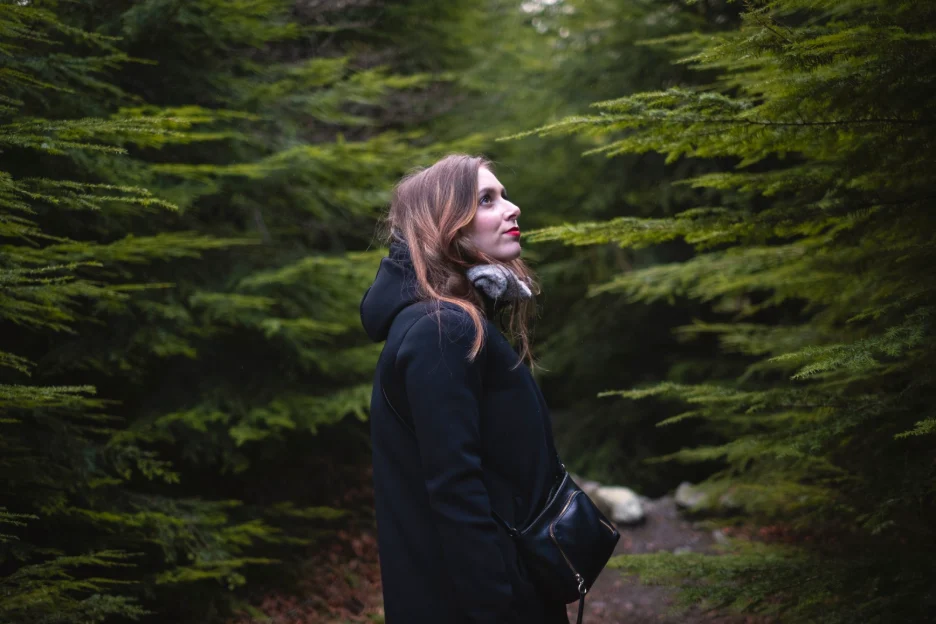
It looks like something straight out of an old folklore painting. Ancient oak trees, moss-covered boulders, rushing brown river water, and strange stone monuments make it one of the most atmospheric walks in the British Isles. Here is how to tackle it.
The vibe: Where fantasy meets real history
Tollymore isn’t a flat, manicured city park. It covers nearly 1,600 acres of wild woodland along the Shimna River.
Walking here feels ancient. In the 18th century, the Clanbrassil family owned the estate and added bizarre Gothic follies—stone gatehouses, artificial caves, miniature stone bridges, and obelisks hidden deep among the trees.
If it looks vaguely familiar, you’re probably thinking of television.
Tollymore was the first filming location ever used in Game of Thrones. It stood in for the “Haunted Forest” in the very first scene of the pilot episode, and it’s the spot where the Stark family found the direwolf pups. Even if you’ve never watched a minute of the show, the sheer, moody atmosphere of the place will stop you in your tracks.
The best walk: The River Trail
Tollymore has four main marked walking routes, but if you only have an afternoon, do the River Trail.
It’s about three miles (around 5 kilometers) and follows the Shimna River upstream. The path is well-maintained, but it gets slick, rocky, and muddy in spots, so leave your clean white sneakers in the trunk of the car and lace up proper boots.
Along the trail, keep an eye out for these key spots:
- The Stepping Stones: A chain of massive stone blocks spanning the river. Everyone tries to cross them; half the people lose their balance and get a soaked boot. Cross at your own risk.
- The Hermitage: A tiny stone shelter built directly into the cliff edge in the 1770s, overlooking a deep pool in the river. It was designed as a quiet place for estate owners to read and write poetry.
- The Foley’s Bridge: A picturesque stone arch built in 1787 that looks like something out of a fairytale. It’s easily the most photographed spot in the entire park.
If you want a harder workout, branch off onto the Mountain Trail. It climbs up through dense pine plantations toward the open slopes of the Mournes, giving you sweeping views of Dundrum Bay and the Irish Sea.
Practical things to know before you go
A little prep goes a long way here:
- Parking fees: There is a vehicle entry fee at the gate (usually around £5), so keep some cash or a card handy. The main lot has decent bathrooms, a small café that runs seasonally, and trail maps.
- Weather changes fast: The park sits right at the foot of the mountains. One minute you have sunshine breaking through the canopy; twenty minutes later it’s pouring rain. A windproof, waterproof jacket is non-negotiable.
- Pack a flask: There are picnic benches scattered around, but the best spots are the flat boulders along the riverbank. Bring a thermos of hot tea or coffee and some sandwiches.
What to do after the walk
When you finish hiking, don’t just jump on the motorway. Drive five minutes down the road into the seaside town of Newcastle.
It sits right where the Mourne Mountains sweep down to the sea. Grab a bag of salt-and-vinegar soaked fish and chips from a local takeaway, walk along the promenade, and watch the waves roll in. After a few hours in the cold woods, there isn’t a better way to spend an afternoon.
Read More : Sharjah’s Hotel Scene: Meet the New Favourite