
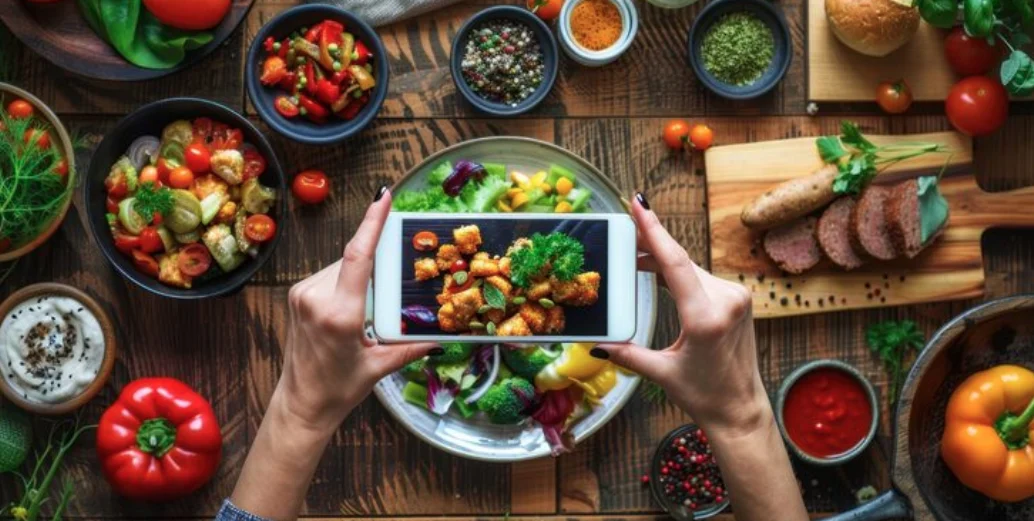
Food is often described through flavor, aroma, texture, and freshness, but another element can strongly influence how we experience a meal: presentation. The arrangement of ingredients, choice of colors, shape of the plate, portion size, and even the space surrounding the food can affect our expectations before we taste anything.
A beautifully presented dish does more than look attractive. It can create excitement, communicate quality, highlight ingredients, and turn an ordinary meal into a memorable experience. This is why presentation plays such an important role in restaurants, home cooking, food photography, and even everyday meals.
We Begin Eating With Our Eyes
Before food reaches our mouth, our brain is already processing visual information. We notice color, shape, arrangement, freshness, and portion size almost immediately.
A vibrant salad filled with green vegetables, red tomatoes, orange carrots, and colorful toppings may appear fresher and more appetizing than the same ingredients mixed together without much thought. Similarly, a dessert carefully arranged with fruit and sauce can seem more luxurious than the same dessert served casually.
Visual appeal creates expectations about how food will taste. When a dish looks carefully prepared, people may expect better flavor, higher quality, and a more enjoyable experience.
Color Influences Appetite
Color is one of the most powerful elements of food presentation. Natural colors can communicate freshness, ripeness, sweetness, or richness.
Bright vegetables can make a meal appear healthy and energetic, while golden-brown baked foods often suggest warmth and comfort. Deep chocolate colors may communicate richness, while fresh green herbs can make a dish look lighter and more refreshing.
Contrast is especially effective. A white plate can make colorful vegetables stand out, while dark plates may create dramatic contrast with pale foods.
However, presentation works best when colors come naturally from the ingredients. Adding unnecessary decoration simply for appearance can make a plate feel artificial rather than appealing.
Arrangement Changes Perception
The position of food on a plate can influence how organized, generous, or sophisticated the meal appears.
Restaurants often use careful spacing to create visual balance. Instead of covering the entire plate, chefs may leave open space around the main ingredients. This can direct attention toward the most important part of the dish.
Height can also create interest. Stacking ingredients or layering different components adds dimension and makes the plate appear more dynamic.
At home, presentation does not need to be complicated. Simple techniques such as arranging vegetables neatly, placing sauces thoughtfully, or adding fresh herbs at the end can immediately improve appearance.
Presentation Can Affect Expectations of Taste
Interestingly, appearance may influence how people interpret flavor.
When food looks appealing, diners may approach it with positive expectations. Those expectations can shape the overall experience. A carefully presented dessert may seem more special, while an untidy presentation may make the same food appear less enjoyable.
This does not mean presentation can replace good cooking. Delicious food still depends on quality ingredients and proper preparation. Instead, presentation works together with flavor, aroma, and texture to create a complete sensory experience.
The best presentation supports the food rather than distracting from it.
Texture Becomes Visible
Presentation can also communicate texture before someone takes a bite.
A crispy crust, glossy sauce, creamy filling, or crunchy topping provides visual clues about what the food might feel like. Showing these contrasts makes a dish more inviting.
For example, toasted nuts placed on top of a creamy dessert immediately suggest a combination of smooth and crunchy textures. Fresh herbs over roasted vegetables can suggest freshness against a softer cooked texture.
These visual signals prepare the brain for the sensory experience that follows.
Plates and Serving Dishes Matter
The food itself is only part of the presentation. Plates, bowls, glasses, and serving boards also influence perception.
The size of a plate can change how large or small a portion appears. A small serving placed on an enormous plate might look elegant in one setting but insufficient in another.
Plate shape also affects style. Round plates create a traditional appearance, while rectangular or irregular dishes can create a more contemporary look.
Restaurants carefully choose tableware because it becomes part of the visual identity of the meal. At home, simply choosing dishes that complement the food can create a noticeable difference.
Presentation Creates Emotional Experiences
Food is closely connected to emotions, celebrations, traditions, and memories. Presentation can strengthen those connections.
A birthday cake decorated for someone special carries emotional meaning beyond its ingredients. A holiday dinner arranged beautifully can make the occasion feel more festive. Even a simple breakfast presented thoughtfully can make an ordinary morning feel more enjoyable.
This demonstrates that food presentation is not only about aesthetics. It can communicate care and attention.
Preparing a meal attractively for family members or guests can show that time and effort were invested in creating the experience.
Social Media Has Increased the Importance of Presentation
Modern food culture has also been strongly influenced by photography and social media. Restaurants increasingly consider how dishes will appear in photographs because customers often share meals online.
Bright colors, unusual arrangements, dramatic desserts, and visually distinctive drinks can attract attention before customers even visit a restaurant.
However, this has also created an important challenge. Food should not become so focused on appearance that practicality and flavor are forgotten.
The most successful presentation enhances the dish instead of becoming the entire purpose of it.
Simple Presentation Can Be Powerful
Beautiful food does not always require complicated techniques. Small improvements can make everyday meals more attractive.
Keeping the edges of the plate clean, using ingredients with contrasting colors, adding fresh herbs, arranging components carefully, and avoiding overcrowding are simple techniques anyone can use.
Another useful approach is choosing one visual focal point. Instead of decorating every part of the plate, allow one main ingredient to attract attention while supporting ingredients create balance.
Natural presentation usually feels more inviting than excessive decoration.
Final Thoughts
Food presentation influences much more than appearance. It shapes expectations, highlights ingredients, communicates texture, affects emotional responses, and helps create memorable dining experiences.
Our senses work together when we eat. The eyes create the first impression, aroma builds anticipation, texture adds physical sensation, and flavor completes the experience. When these elements support one another, even a familiar meal can feel more satisfying.
Whether food is being served in a fine restaurant, photographed for social media, prepared for guests, or simply placed on the dinner table at home, thoughtful presentation can transform the experience.
Ultimately, presentation reminds us that eating is not only about satisfying hunger. It is also about enjoying color, creativity, atmosphere, and the small details that make food feel special.
Read more : Why Financial Planning Should Change as Your Life Changes/What Does OFC Mean in Text Message? (Complete 2026 Guide to Meaning, Usage, and Examples)