
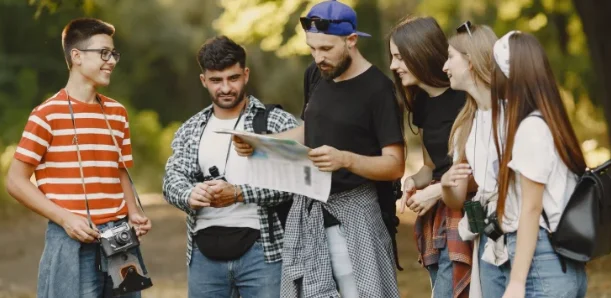
Ever notice how a plain trail ride becomes the story of the summer once someone says, “Bet you can’t do that”? Suddenly it is the one your group still retells, instead of a ride that would have faded from memory. The spark usually comes from competitive friends, the ones who turn every outing into a small, fun contest.
Research helps explain why that urge to compete feels so strong. A University of Pennsylvania study found that competition pushed people to exercise far more than friendly support alone. The trick is using that drive without bruised egos or risky choices. Below, you will find the reasons rivalry improves trips, games suited to trails, snow, and water, plus easy ground rules for staying safe.
Why Competitive Friends Make Outdoor Adventure More Fun
A little rivalry gives a trip purpose, energy, and a story worth telling, and the reasons are simple:
- Shared goals raise the energy of the whole group.
- Small stakes make a routine loop feel brand new.
- Friends push each other to try skills they would skip alone.
- Every contest creates a story, and stories outlast the trip.
Northern Utah makes this easy. Ogden sits at the base of the Wasatch range, with canyon trails, winter snow routes, and Pineview Reservoir all close by.
Thanks to that variety, a single group can cover dirt, snow, and water within twelve months. Many local riders buy and service their machines through ogden powersports dealers before turning those trips into small contests. The friendship keeps the rivalry safe, and the rivalry makes the friendship stronger.
Why Rivalry Feels Like a Challenge, Not a Threat
Competition can lift you up or wear you down, depending on how you see it. According to research available through the National Institutes of Health (NIH), people who view competition as a challenge tend to perform better than those who see it as a threat. Seeing a contest as a challenge can help you stay focused, while viewing it as a threat may increase stress and anxiety.
Having a trusted rival at a similar skill level adds extra drive, and supportive friends usually treat the contest as a test rather than a threat. Treat every contest as a chance to test yourself rather than judge yourself, because a loss on the cone course simply points to your next practice goal.
Friendly Competition Ideas for Your Next Trip
The best games reward skill, accuracy, or creativity instead of top speed, so pick one or two per trip and save the rest for later.
Ideas for Trails and Off-Road Rides
- Slow-speed course: ride a line of cones without putting a foot down.
- Photo hunt: capture a list of shots, then vote on the best at lunch.
- Map-reading leg: let each rider lead a stretch of the route using a printed map.
- Landmark points: score for spotting lookouts, old cabins, or wildlife.
Ideas for Snow, Water, and Camp Days
- Snow fort build-off: teams get 30 minutes and are judged on strength and style.
- Gear setup race: time each person suiting up and doing checks on shore.
- Distance guess: each person predicts the gap to a chosen landmark, and the GPS reveals who came closest.
- Campfire trivia: quiz each other on local trails, wildlife, and past trips.
The table below matches every game to where it works best, what it trains, and how to run it safely.
| Challenge | Best Setting | Skill Focus | Group Size | Safety Tip |
| Slow-speed course | Trail | Throttle and balance | 2 to 8 | Use a flat, open area |
| Map-reading leg | Trail | Route finding | 2 to 6 | Carry a backup map |
| Snow fort build-off | Snow | Teamwork | 4 or more | Stay off avalanche slopes |
| Gear setup race | Water | Prep and checks | 2 to 6 | Stay on shore while timed |
| Distance guess | Snow or water | Judgment | Any | No riding needed |
| Campfire trivia | Camp | Memory | Any | Keep the fire in a ring |
Healthy Rivalry vs. Unhealthy Rivalry: Warning Signs
Even good contests can turn sour, and a few clear signals help keep competitive friends close instead of cold.
Signs the Competition Is Working
- Everyone laughs, including whoever came in last.
- Losers congratulate winners without being asked.
- People ask for a rematch.
- Quieter friends still want to join in.
Red Flags of Rivalry Gone Sour
- Someone keeps score long after the game ends.
- A loss leads to sulking, jealousy, or mocking.
- Riders feel pressure to take risks just to keep up.
Discussing the plan ahead of the trip, taking turns choosing the game, and stopping any contest that turns tense will solve most of these issues. Losses sting some people more than others. A quick word about their effort usually helps.
How to Set Rules, Scores and Stakes That Keep It Fair
Mixed-skill groups stay evenly matched when they follow just four light steps:
- Agree on the game before you leave the driveway.
- Pick one scorekeeper so nobody argues later.
- Use handicaps for different skill levels.
- Make the rewards cheap and goofy.
Handicaps are easier than they sound: a new rider might get a ten-second head start in the gear race, while the group expert rides a cone course with tighter gaps. Putting a veteran and a beginner on the same team also works, because friends can cooperate and compete simultaneously.
Good stakes cost almost nothing. The winner picks the next route, the loser buys lunch, or a traveling trophy moves to each new champion.
Keep the Competition Safe on Powersports and Water
Motorized adventure needs firmer rules than a backyard game, so agree on these basics before any challenge:
- No racing on public trails, roads, or busy lakes.
- Helmets, eye protection, and life jackets stay on for every contest.
- Challenges match the least experienced rider.
- Speed limits, trail rules, and closures are respected.
Stopwatch and skill games in an open area beat side-by-side racing because each rider controls their own pace, and nobody ends up chasing a friend into a blind corner.
Check fuel, tires, and brakes before you load up, since a well-kept machine makes the whole day more enjoyable. Finish with a short safety talk at the trailhead, and agree that anyone can call a stop with no argument.
Common Questions About Friendly Rivalry on Adventures
How do Friends Keep Rivalry Playful After a Hard Loss?
Set expectations before the trip: agree on simple rules, keep stakes small, and praise effort as much as results. If tension builds, switch to team formats. Rotating partners also means no one person carries every loss, and a quick, private check-in afterward helps, while a homemade trophy keeps the focus on shared fun instead of status.
Which Safety Steps Count Most When Friends Race Outdoors?
Competition can push people past their limits, so set turnaround times, carry water and a first aid kit, and share your route with someone at home. Check weather and terrain first, match each challenge to the least experienced person, and skip any contest that rewards speed on steep, rocky, or technical ground.
What Makes a Contest Fair When Friends Differ in Fitness?
Use handicaps, such as head starts for newer riders, or score personal improvement instead of raw results. Mixed-ability teams work too, as do games built on map reading, trivia, or accuracy, which give everyone a fair shot. Interest stays high when each person can really win.
Next Steps for Your Group
Begin with something modest on the upcoming outing. Choose one game from the list, agree on the rules in the parking lot, and name a scorekeeper before anyone starts an engine. Pick a challenge built on skill or accuracy rather than speed, and set it up in an open, safe spot.
After the ride, ask the group what worked and what felt off. Keep the winners, drop the duds, and start a season scoreboard in the group chat so the rivalry carries into the next outing. Over a few trips, those small contests become traditions that make every ride worth planning, and a group that keeps asking for a rematch.
Read More: Why Digital Boundaries Are Becoming Essential for Modern Life