
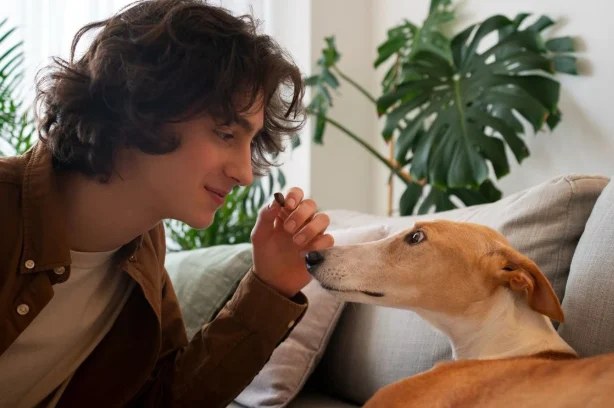
Picture your dog fixing its eyes on you, shifting to the treat jar, and then returning to your face. That glance is no accident. It is a deliberate message, and it is one of many signals that owners overlook every day, even though most people learn to read a wagging tail or a bark, while the quieter cues often reveal far more about how a dog feels.
Dogs begin communicating early, well before they are fully grown. In one study, 69.4% of puppies aged six to seven weeks looked back and forth between a person and an unfamiliar object, suggesting they were already trying to share information. Below, you will find what each signal means, how to read several together, and which behavior shifts could hint at an underlying illness.
Quick Guide to Reading Dog Body Language
The fastest way to read your dog is to observe the whole body first, then check each individual part. A tail, ear, or eye position means little on its own, but together these cues tell a consistent story, as the table below shows.
Not every signal is a message, though. A dog that keeps licking a paw or rubbing its face on the carpet may simply be itchy, and sudden raised bumps on the skin can point to dog hives, which are often an allergic reaction. Separating a mood from a medical issue keeps owners from mistaking a sick dog for a grumpy one.
| Signal | Relaxed or Friendly | Stressed or Uneasy | What to Do |
| Tail | Loose, sweeping wag at mid height | High and stiff, or tucked low | Pause and read the rest of the body |
| Ears | Soft and neutral | Pinned back or pressed flat | Lower your voice and slow down |
| Eyes | Soft gaze, slow blinks | Hard stare or whites showing | Look away and give space |
| Mouth | Loose and slightly open | Closed tight, lip licking | Stop what you are doing |
| Posture | Wiggly body or play bow | Stiff, frozen, or crouched | Step back and wait |
| Voice | Playful barks, soft grumbles | Low growl or high whine | Find the cause, never scold |
Tail, Ears, and Eyes
- Tail: A wide, loose wag is usually friendly, while a fast, narrow wag held high can signal arousal or tension.
- Ears: Forward ears show interest and pinned-back ears show worry, though floppy or cropped ears are harder to read.
- Eyes: A soft gaze shows trust, while “whale eye,” where the whites show as the dog turns away, signals unease.
Mouth, Posture, and Hair
- Mouth: A relaxed, open mouth is a good sign, but lip licking or yawning outside of rest often hints at stress.
- Posture: A play bow, with the chest low and rear raised, invites fun, while a stiff stance asks you to stop.
- Hair: Raised hackles along the back show high arousal, which can mean fear, alarm, or simple excitement.
How Do Dogs Communicate With Humans Differently?
Some dog signals seem designed specifically for people. Dogs make eye contact, follow a pointed finger, and look from an owner to a toy they cannot reach, which is a way of asking for help. Many researchers believe that long years of living beside people shaped these behaviors, and several everyday habits are messages too:
- Head tilts when you speak, often to hear or see you better
- Yawns, which can signal stress rather than sleepiness
- Sneezes during play, showing the roughhousing is friendly
- Leaning, licking, and bringing toys to request contact or play
Barking and whining are often targeted requests rather than random noise. Dogs also respond well to “dog-directed speech,” the high, sing-song voice many owners use without thinking.
Why Context and Signal Clusters Change the Meaning
A single signal can easily mislead you. A yawn might indicate a tired dog at bedtime or a tense dog at the veterinary clinic, while a growl during tug is usually playful and a low growl over a food bowl is a genuine warning.
Owners make these errors more often than they realize. People frequently misread canine emotions because they project human feelings onto their pets, according to university research.
Calming signals, including lip licking, looking away, or turning the head, are polite requests for space. Reading a dog’s body language in real time comes down to three quick steps:
- Scan the whole body, from tail to ears.
- Check the setting for noise, strangers, or other pets.
- Step back and watch whether the dog relaxes or stays tense.
Never punish a growl. It is an honest warning, and a dog that learns not to warn may bite without any notice.
How to Communicate With Dogs So They Understand You
Dogs pick up on your stance and vocal tone far more reliably than on the actual words you use. Clear, consistent signals make training easier and build trust on both sides.
Speaking and Gesturing Clearly
- Pick brief cue words, and give each one just one matching hand gesture.
- Praise in a warm, slightly higher tone, and keep corrections calm and low.
- Use the same cues across every person in the household.
Use Your Body and Your Calm
- Turn sideways and soften your eyes instead of facing the dog directly.
- Offer slow blinks, which many dogs interpret as friendly.
- Deliver the treat or praise in the first second or two after the desired behavior happens.
When a Change in Your Dog’s Signals Means Health Trouble
Reading your dog well begins with learning how your particular dog usually behaves. When a sociable dog suddenly hides or a gentle dog snaps, pain or illness may be the underlying cause. The following changes suggest something may be wrong:
- Abrupt retreating to hide, or an odd need to stay glued to you
- Nonstop scratching, with licking or chewing at the same spots
- Repeated sneezing outside of play
- New aggression or whining when touched
- Swelling, welts, or hives on the skin
Itching, mild swelling, and skin bumps usually call for a prompt veterinary or urgent care visit, ideally the same day. Emergencies such as a collapse, sudden weakness, labored breathing, or swelling of the face or throat need immediate care.
Common Questions About Dog Communication
What Makes Dogs Tilt Their Heads at our Voices?
Tilting the head probably lets a dog catch your voice and read your face more easily, because moving the ears and muzzle can sharpen both hearing and sight of the speaker. Owners reinforce it, too. Most smile at or praise a tilting dog, and many dogs tilt most when they hear familiar words, their name, or unusual sounds.
How Can Owners Tell Whether a Wagging Tail Signals Friendliness or Tension?
Begin with how high the tail sits and how quickly it moves, and then take in the remainder of the dog’s frame. A loose, sweeping wag with relaxed shoulders and soft eyes suggests a friendly mood. Tension looks different: a stiff, high, rapid wag paired with a rigid stance, closed mouth, or fixed stare calls for giving the dog some distance.
Why Might Dogs Yawn or Lick Their Lips?
Outside of rest or mealtime, yawning and lip licking are often calming signals showing that the dog feels uneasy and would like things to slow down. You might notice them at the veterinary clinic, during a hug, or when a stranger leans in. Giving the dog a little space usually helps these signals fade.
Next Steps for Understanding Your Dog
Start small by choosing one quiet moment each day to watch your dog’s tail, ears, eyes, and mouth together, noting what is happening around them. Within several weeks, your dog’s habits will become familiar, and that firsthand insight outweighs any generic chart.
Respond to what you see with calm, clear signals of your own: steady cues, a soft voice, and space when your dog asks for it. Keeping a short log of unusual behavior, such as new scratching or hiding, with dates and photos helps you spot changes early and gives your veterinarian useful details if a health issue appears.
Read More: How Consistent Training Can Strengthen the Bond With Your Pet