
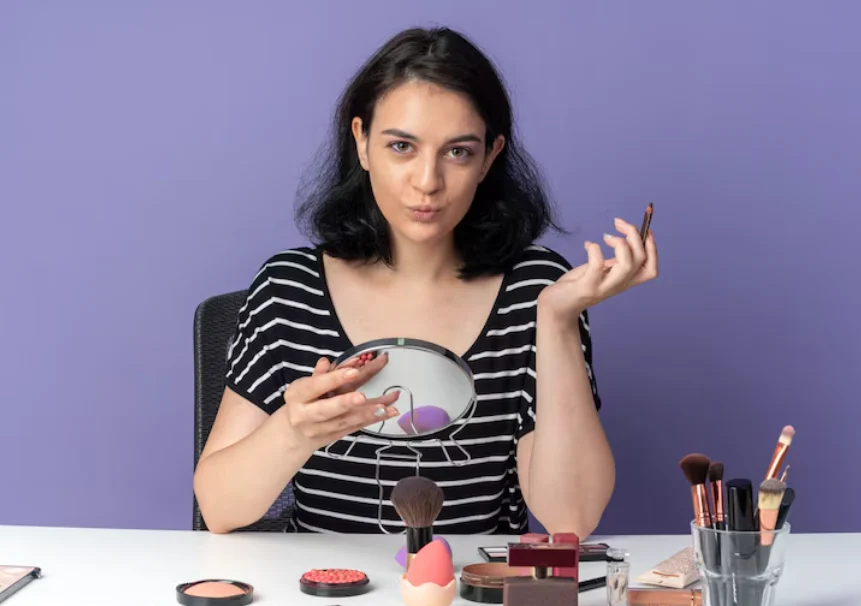
Makeup can enhance natural features, create a more polished appearance, and help people express their personal style. However, even expensive products can look unnatural when they are applied incorrectly or when too many layers are used. The goal of natural-looking makeup is usually not to hide every feature but to create balance, softness, and a finish that blends seamlessly with the skin.
Several common beauty mistakes can make makeup appear heavy, uneven, or overly obvious. Understanding these mistakes can make it easier to create a fresher and more effortless look.
1. Applying Too Much Foundation
One of the most common makeup mistakes is using more foundation than necessary. A thick layer may cover imperfections, but it can also hide the natural texture and dimension of the skin.
Instead of applying foundation heavily across the entire face, start with a small amount and blend it outward from the center. Additional product can then be applied only where more coverage is needed.
Light layers usually create a smoother and more skin-like result than one heavy application.
2. Choosing the Wrong Foundation Shade
Even perfectly applied foundation can look unnatural if the shade does not match the skin properly. A foundation that is too light may create a mask-like effect, while one that is too dark can leave a noticeable difference between the face, neck, and chest.
Testing foundation along the jawline is often more helpful than testing it on the hand. The ideal shade should blend into the surrounding skin without creating an obvious line.
It is also important to consider undertones such as warm, cool, or neutral when choosing complexion products.
3. Using Too Much Concealer Under the Eyes
Brightening the under-eye area can create a refreshed appearance, but excessive concealer often has the opposite effect. Thick layers may settle into fine lines or create a noticeably lighter area beneath the eyes.
Using a small amount of concealer only where darkness is visible can produce a more natural result.
Applying moisturizer beforehand and blending concealer gently can also help prevent dryness and creasing.
4. Over-Powdering the Face
Setting powder can reduce shine and improve makeup longevity, but applying it everywhere may make the skin appear flat or dry.
Natural skin usually has some dimension and subtle luminosity. For this reason, powder can be concentrated on areas that become oily, such as the forehead, nose, and chin.
Using a light hand helps maintain a realistic skin finish while still controlling unwanted shine.
5. Creating Eyebrows That Look Too Sharp
Eyebrows frame the face, but heavily drawn brows can easily dominate an otherwise natural makeup look. Using a very dark pencil or creating harsh outlines may make the brows appear artificial.
For a softer effect, use short strokes that imitate natural eyebrow hairs. The front section of the eyebrow should generally remain lighter and less defined than the arch and tail.
Brushing the brows with a spoolie afterward can help soften any visible product.
6. Applying Heavy Contour
Contour is designed to create the illusion of depth and definition. However, dark or unblended contour lines can make makeup appear obvious and unnatural.
A more subtle approach involves choosing a contour shade only slightly deeper than the natural skin tone and blending it carefully.
Contour should usually enhance the existing structure of the face rather than dramatically change it.
7. Using Too Much Blush
Blush can instantly bring life and warmth to the complexion, but overly intense application may distract from the rest of the makeup.
Start with a small amount and gradually build the color. Placement also matters. Applying blush where the face naturally becomes flushed often creates a more realistic effect.
Cream and liquid formulas can be especially useful for people who want a soft, skin-like finish.
8. Forgetting to Blend Around the Hairline and Jaw
Even well-matched foundation can look unnatural when it stops abruptly around the hairline, jaw, or ears.
Taking a few extra seconds to blend these areas can make a major difference. Complexion products should transition smoothly into the natural skin without creating visible borders.
Good lighting is helpful because harsh lines may be difficult to notice in a dim room.
9. Wearing Extremely Heavy Eye Makeup With a Natural Base
There is nothing wrong with dramatic eye makeup, but balance becomes important when the goal is a natural appearance.
Very thick eyeliner, oversized false lashes, or extremely dark eyeshadow can overpower soft complexion makeup.
For a more understated result, consider neutral eyeshadow tones, softly blended liner, and mascara that separates rather than clumps the lashes.
10. Ignoring Skin Preparation
Natural-looking makeup often begins before foundation is applied.
Dry, flaky, or dehydrated skin can make foundation cling unevenly. On the other hand, applying makeup immediately over extremely oily skincare products may cause it to separate.
A simple routine involving cleansing, moisturizing, and allowing skincare to absorb can create a smoother base.
Primer may also help, although it is not always necessary for every skin type.
11. Applying Too Much Highlighter
Highlighter can create a healthy glow, but excessive shimmer may emphasize texture or make the skin appear overly reflective.
Applying a small amount to selected areas, such as the tops of the cheekbones, can create a more believable radiance.
The best natural highlight usually looks like light reflecting from healthy skin rather than visible glitter sitting on top of it.
12. Forgetting to Check Makeup in Natural Light
Indoor lighting can sometimes hide blending problems, uneven foundation, or overly strong colors.
Checking makeup near a window before leaving home can reveal whether the products truly look natural.
Natural daylight makes it easier to notice foundation lines, excessive powder, unblended contour, or colors that appear stronger than expected.
Final Thoughts
Natural-looking makeup is often less about using fewer products and more about applying each product carefully. Heavy foundation, overly defined eyebrows, excessive contour, poor shade matching, and insufficient blending can all make makeup appear less realistic.
The most effective approach is usually to begin with small amounts of product, build gradually, and blend thoroughly. Makeup should work with the skin’s natural features rather than completely cover them.
By avoiding common beauty mistakes and focusing on balance, texture, and subtle definition, it becomes much easier to create makeup that looks polished while still allowing natural beauty to remain visible.
Read more : Why Skin Preparation Matters Before Applying Makeup