
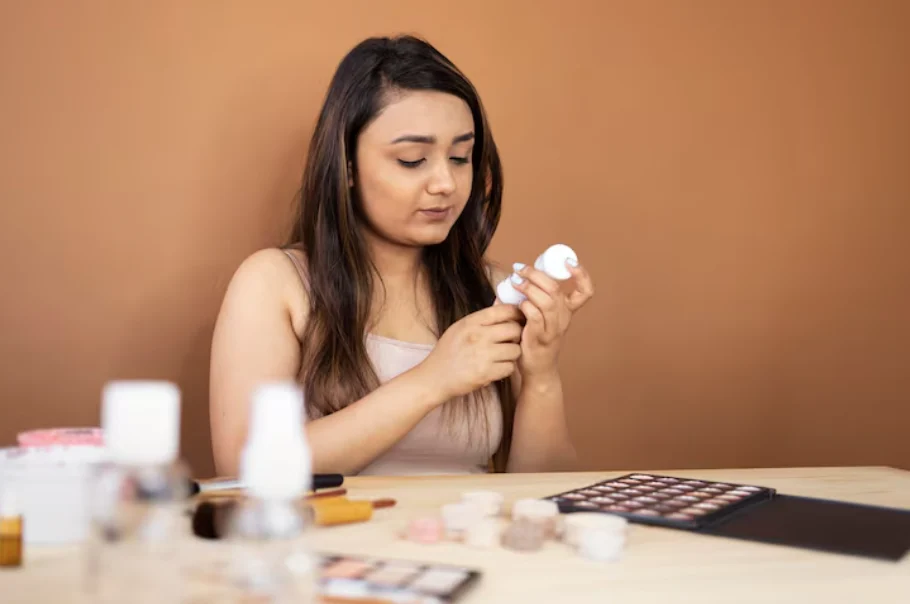
The beauty industry offers an enormous variety of skincare, haircare, makeup, and personal-care products. While having more choices can be exciting, it can also make shopping confusing. A moisturizer that works perfectly for one person may feel too heavy for another, while a popular shampoo may not suit every hair type.
The best beauty routine is not necessarily the one with the most expensive or trendy products. It is the one that matches your individual needs. Understanding your skin, hair, lifestyle, sensitivities, and personal goals can help you choose products more confidently and avoid unnecessary purchases.
Understand Your Skin Type
Knowing your skin type is one of the most important steps when choosing skincare and makeup products. Skin is generally described as normal, dry, oily, combination, or sensitive.
Dry skin often benefits from richer moisturizers containing ingredients that support hydration and help reduce moisture loss. Oily skin may respond better to lightweight, non-greasy formulas that hydrate without creating a heavy feeling. Combination skin may require a balanced approach, especially when certain areas of the face are oily while others feel dry.
Sensitive skin requires additional care. Fragrance, strong exfoliating ingredients, or highly complex formulas may not suit everyone. Choosing simpler products and introducing them gradually can make it easier to identify what works well for your skin.
Skin type can also change because of climate, age, hormones, lifestyle, and seasonal conditions. Therefore, it is helpful to reassess your routine occasionally.
Identify Your Main Beauty Concerns
Instead of buying products simply because they are popular, identify the specific concerns you want to address.
For skincare, your priorities might include dryness, uneven texture, dullness, excess oil, visible pores, breakouts, or signs of aging. Someone mainly concerned about dehydration may need a different routine from someone focused on controlling excess shine.
The same principle applies to haircare. Consider whether your main concern is dryness, frizz, breakage, scalp buildup, color protection, lack of volume, or damage from heat styling.
Once your goals are clear, it becomes much easier to avoid buying multiple products that perform similar functions.
Learn to Read Ingredient Labels
Beauty product packaging often focuses on attractive claims, but ingredient lists can provide more useful information.
For example, humectants such as glycerin and hyaluronic acid are commonly included in moisturizing formulas because they help attract water. Ceramides are often found in products designed to support the skin barrier. Ingredients such as salicylic acid may appear in products intended for oily or blemish-prone skin.
However, more active ingredients do not automatically mean better results. Using several powerful products at once may increase the possibility of dryness or irritation.
When trying unfamiliar ingredients, introduce one new product at a time whenever possible. This makes it easier to determine how your skin responds.
Consider Your Hair and Scalp Separately
Many people select shampoo and conditioner based only on their hair texture, but scalp condition is equally important.
Someone with an oily scalp and dry ends may need a cleansing shampoo for the roots while applying conditioner mainly to the mid-lengths and ends. Fine hair may become weighed down by very rich formulas, while thick, curly, or coarse hair may benefit from more conditioning products.
People who frequently use straighteners, curling irons, or blow dryers may also want products specifically designed to provide heat protection.
Hair that has been colored, bleached, chemically straightened, or otherwise treated often requires gentler care and additional conditioning.
Choose Makeup According to Your Skin and Lifestyle
Makeup should not only match your appearance preferences. It should also suit your skin characteristics and daily routine.
For example, someone with dry skin may prefer a hydrating or luminous foundation, while someone with oily skin may prefer a lightweight matte or long-wearing formula. People who spend many hours outside may prioritize products that stay comfortable in heat and humidity.
Foundation and concealer shades should also be chosen according to both skin depth and undertone. Undertones are often described as warm, cool, neutral, or olive.
Testing complexion products in natural lighting can give a more accurate impression than relying entirely on indoor store lighting.
Think About Your Daily Routine
A complicated beauty routine is not automatically more effective.
If you prefer a simple morning routine, buying ten different skincare products may lead to wasted money. Instead, focus on products you are likely to use consistently.
A basic skincare routine might include a cleanser, moisturizer, and sunscreen during the day. Additional products can then be added depending on individual concerns.
Your environment also matters. People living in humid climates may prefer lighter textures, while people living in colder or drier regions may need richer moisturizers.
Patch-Test New Products
Even products advertised for sensitive skin can cause reactions in some individuals.
Before applying a new skincare product widely, consider testing a small amount on a limited area first. If redness, itching, burning, or significant irritation develops, stop using the product.
Patch testing is particularly useful when trying products containing unfamiliar fragrances, botanical extracts, exfoliating ingredients, hair dyes, or stronger skincare actives.
For persistent or severe skin problems, professional advice from a qualified dermatologist may be more appropriate than repeatedly experimenting with cosmetic products.
Avoid Buying Products Only Because They Are Trending
Social media can make certain beauty products appear essential. Influencers, celebrities, and viral videos often create intense interest around specific ingredients or brands.
However, popularity does not guarantee suitability.
Before buying a trending product, ask yourself whether it actually addresses one of your needs. Check the formula, texture, intended skin or hair type, and how it would fit into your existing routine.
This approach can help prevent overcrowded bathroom shelves and unnecessary spending.
Consider Your Budget
Effective beauty care does not always require luxury products.
Set a realistic budget and prioritize products that you use frequently. Cleansers, moisturizers, shampoos, conditioners, and sunscreen may deserve greater consideration because they often form the foundation of a routine.
Premium packaging and celebrity endorsements can increase prices without necessarily making a product more suitable for your individual needs.
Comparing ingredients, size, usage frequency, and cost per application can provide a more practical way to judge value.
Pay Attention to Results Over Time
Beauty products rarely need to remain part of your routine forever.
Observe how your skin or hair responds. If a product consistently causes irritation, excessive dryness, breakouts, buildup, or discomfort, it may not be appropriate for you.
Similarly, your needs may change with age, weather, hormonal changes, travel, or lifestyle adjustments.
Keeping your routine flexible allows you to make changes when necessary instead of continuing to use something simply because it once worked well.
Final Thoughts
Choosing beauty products successfully begins with understanding yourself rather than following every new trend. Your skin type, hair texture, scalp condition, sensitivities, lifestyle, environment, budget, and personal goals should all influence what you purchase.
Read product information carefully, introduce new formulas gradually, and focus on products that have a clear purpose in your routine. Most importantly, remember that beauty care is highly individual. A thoughtful, simple routine tailored to your own needs is often more practical and sustainable than constantly chasing the latest products.
Read more : Why Skin Preparation Matters Before Applying Makeup