
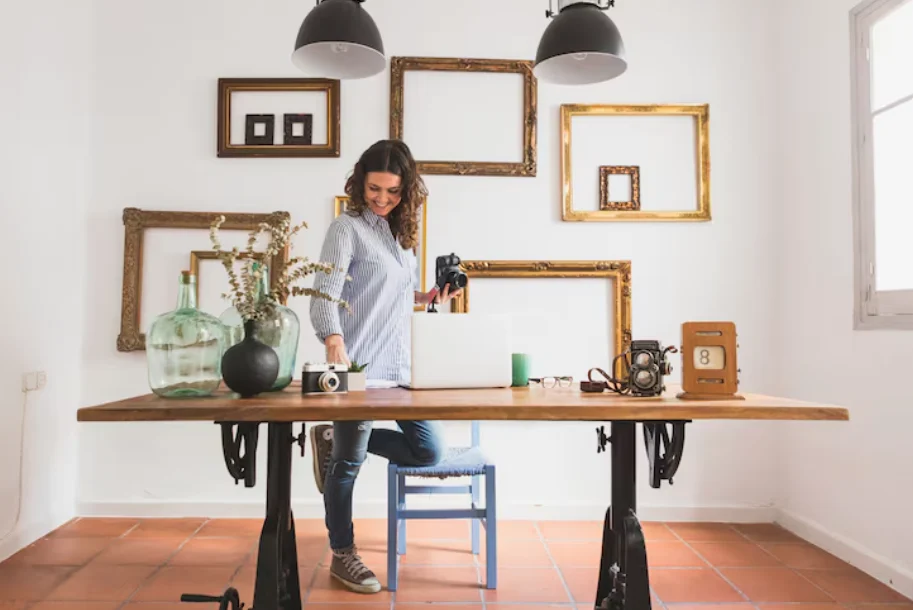
Mixing modern and traditional decor can create a home that feels warm, sophisticated, and visually interesting. Modern interiors are often associated with clean lines, open spaces, simple shapes, and minimal decoration, while traditional interiors usually feature classic furniture, detailed craftsmanship, rich textures, and decorative elements.
When these two styles are combined thoughtfully, the result can feel timeless rather than trendy. However, without careful planning, mixing different eras and design influences can quickly make a room feel busy or cluttered.
The key is creating balance. Instead of filling a space with equal amounts of modern and traditional furniture, choose one style as the foundation and use the other as an accent.
Start With a Dominant Style
One of the easiest ways to avoid visual confusion is to decide which decorating style will dominate the room.
For example, you might create a mostly modern living room with neutral walls, a streamlined sofa, and simple lighting. Traditional elements could then appear through an antique coffee table, patterned rug, decorative mirror, or classic wooden cabinet.
Alternatively, a traditional room can be refreshed with modern artwork, contemporary lighting, minimalist side tables, or a clean-lined sofa.
Using one style as the primary design language helps the room feel intentional rather than like a collection of unrelated furniture.
Create a Consistent Color Palette
Color can connect furniture and accessories from different periods.
A limited color palette helps modern and traditional pieces feel like they belong together. Neutral shades such as white, beige, cream, gray, taupe, and soft brown often provide an excellent base.
You can then introduce deeper accent colors such as navy, emerald green, burgundy, rust, or charcoal.
For example, a traditional dark wood dining table can look surprisingly contemporary when paired with cream walls, simple black lighting, and neutral upholstered chairs.
Repeating the same colors in rugs, cushions, artwork, and accessories also creates visual continuity throughout the room.
Mix Furniture Carefully
Furniture is usually the largest visual element in a room, so combining styles requires some restraint.
Avoid placing too many statement pieces together.
If you have a highly detailed traditional cabinet, allow it to become a focal point by surrounding it with simpler furniture. Similarly, a sculptural modern sofa can work beautifully beside an antique side table without needing several additional decorative pieces.
Try to maintain some consistency in scale and proportion as well. Extremely bulky traditional furniture beside very delicate modern furniture may feel disconnected.
Balanced proportions help different design styles coexist naturally.
Use Traditional Pieces as Focal Points
Traditional furniture often contains craftsmanship and detailing that make it ideal for creating focal points.
A vintage chest, carved console table, grandfather clock, ornate mirror, or antique dining table can add character to an otherwise modern room.
Instead of filling the space with multiple antique pieces, choose one or two items that have visual impact.
Giving these pieces enough breathing room allows their details to stand out while preventing the room from feeling overcrowded.
Introduce Modern Lighting
Lighting is an effective way to modernize a traditional interior without replacing major furniture.
Consider adding a minimalist pendant light over a classic dining table or installing contemporary wall lights beside traditional artwork.
Modern floor lamps and table lamps can also provide contrast against carved wood furniture or patterned fabrics.
Because lighting naturally draws attention upward, contemporary fixtures can balance heavier traditional pieces located closer to the floor.
Combine Textures Instead of Adding More Objects
A room does not need many decorative accessories to feel interesting.
Texture can provide visual depth without contributing to clutter.
Try combining smooth modern surfaces with traditional materials such as wood, linen, leather, wool, brass, or natural stone.
For example, a sleek contemporary sofa might be paired with a vintage wool rug and linen cushions. A polished modern dining table could be softened with upholstered chairs or a textured runner.
Layering materials creates richness while keeping surfaces relatively clean.
Be Selective With Accessories
Accessories are often where mixed-style rooms become overcrowded.
Traditional decor sometimes encourages collections of decorative objects, while modern design typically favors fewer accessories.
When combining the two styles, follow a more edited approach.
Instead of displaying ten small decorative items on a console table, choose two or three meaningful pieces. A ceramic vase, framed photograph, and sculptural object may provide enough visual interest.
Leaving some empty space between objects makes every item appear more intentional.
Use Rugs to Connect the Styles
Rugs can act as a bridge between modern and traditional furniture.
Traditional Persian-inspired rugs can add warmth beneath clean-lined modern furniture. On the other hand, a simple geometric rug can refresh a room containing classic wooden furniture.
Choose a rug large enough to connect major furniture pieces visually.
When the rug is appropriately sized, the room feels more unified and organized.
Keep Walls Relatively Simple
When furniture already combines several styles, walls should usually remain calm.
Avoid covering every wall with artwork, shelves, mirrors, and decorative objects.
Instead, create one or two intentional focal areas.
For example, hang one large contemporary painting above a traditional console table. Another option is placing a classic framed artwork above a modern fireplace or cabinet.
This contrast creates interest without overwhelming the room.
Maintain Open Space
Negative space is especially important when blending decorative styles.
Furniture and accessories need room around them so the eye can appreciate their individual shapes and details.
Avoid filling every corner simply because space is available.
An empty corner, open wall, or clear tabletop can actually make the entire room feel more luxurious and carefully designed.
Final Thoughts
Mixing modern and traditional decor works best when contrast is controlled rather than eliminated. The goal is not to make every piece match perfectly, but to create relationships between different styles through color, proportion, texture, and thoughtful placement.
Choose a dominant style, introduce contrasting pieces selectively, limit accessories, and allow important furniture enough space to stand out.
With careful editing, traditional craftsmanship and modern simplicity can complement each other beautifully, creating a home that feels comfortable, personal, elegant, and timeless rather than crowded.
Read more : Why Presentation Can Change the Way We Experience Food