
Introduction
Having a premium health and safety management system paired with the latest health, safety and environment software is a must for a business. Complying with the latest laws pertaining to employee health and protecting the environment from any kind of harm is inevitable.
Therefore, having automated processes so that the leadership is notified when there is any change in compliance laws is non-negotiable. The aim is to conveniently upgrade security protocols, save a business from legal battles and prevent accidents or injuries to employees.
The main concerns addressed by EHS are identifying workplace hazards, training employees for the best solutions and ensuring legal compliance. Incidents are investigated to prevent future accidents and safety measures are revised.
Read on to learn more about HIRA and unravel the benefits of a health and safety management system to ensure smooth functioning of your business operations.
Understanding HIRA
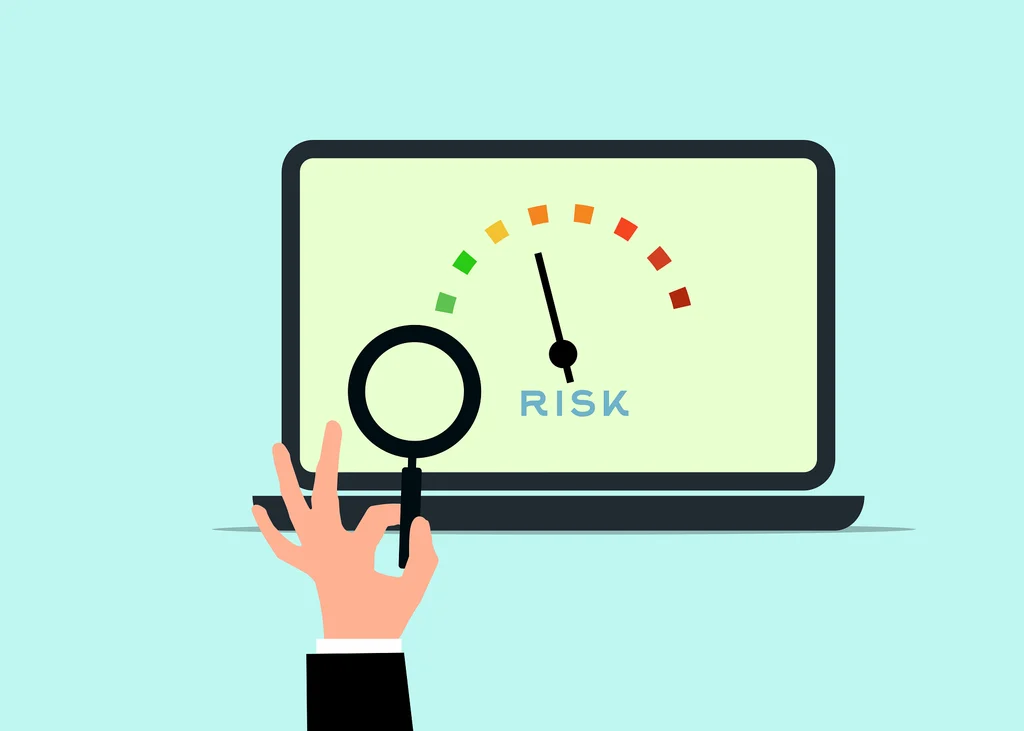
HIRA, or Hazard Identification and Risk Assessment, is an essential component of an OHSMS. The safety management system aims to create clear communication channels to improve inter-departmental communication so that employees can take prompt action during or after a crisis.
HIRA when integrated with the best health and safety management system helps as it:
- Identifies potential hazards and accidents and assesses risks beforehand.
- Creates a sense of assurance among employees.
- Generates a sense of security among the workforce.
- Improves workplace efficiency as their basic needs are taken care of.
- HIRA ensures proper coordination between various departments and agencies that work together seamlessly during an emergency.
- HIRA also minimises duplication of efforts, closes communication gaps and strengthens response capabilities.
- With proper communication channels, the spread of misinformation is easily avoided.
- Consistent messaging before, during and after a crisis is enabled, controlling the haphazard passing on of information to stakeholders and customers.
- Maintain maximum industrial hygiene and reduce dangerous emissions.
- Enhance operational efficiency during and after a disaster strikes.
- Maintain compliance with the ever-evolving international and national laws.
Benefits of Health and Safety Management System
Implementing the latest health and safety management system ensures effective prevention of work-related accidents and risks. With the advent of AI-integrated modern technology and monitoring systems dangerous accidents and incidents can be proactively countered.
Here are 5 additional benefits offered by health and safety management systems:
1. Identify Potential Hazards
Identifying potential risks beforehand is a strategic necessity for a business to thrive. The aim is to prevent accidents, avoid legal battles and reduce overhead costs. By integrating the best occupational health and safety management with the latest health and safety software, management can save on time and capital.
2. Saves Overhead Penalties and Costs
Overhead costs such as fines because of non-compliance can be avoided. However, by integrating HIRA with occupational health and safety management system software, the number of accidents can be reduced drastically, the health of employees working in dangerous environments can be improved and lives can be saved.
3. Build Company Reputation
Stakeholders, competitors and customers give due credit to a business that integrates the best occupational health and safety management system integrated with the best HSE software. Due to these systems, resource optimisation, removal of hazardous operations and resource and time wastage can be avoided conveniently.
4. Stimulates Innovation and Creativity
HIRA, when powered by a premium health and safety management system, stimulates creativity and innovation as a safe working environment is created for employees to give their best. Employees take the initiative to participate in safety management strategies to keep the leadership updated on deterioration of any safety process.
5. Take Appropriate Corrective Measures
Taking appropriate corrective measures is essential to maintain operational continuity. Training of employees is an essential part of a health and safety management system. The occupational health management team monitors, reviews and addresses limitations in the existing safety practices in real time for effective reporting owing to cloud-based management systems.
Conclusion
With the latest occupational health and safety management software, giving proper training to employees to stay updated gets easier and more convenient. Holding frequent workshops enhances employees’ skills and knowledge. With the best occupational health and safety management system running the safety and security operations, the management is able to conduct regular audits and inspections to ensure that corrective actions are taken before any situation gets out of hand.
Frequently Asked Questions
1. What does the standard ISO 14001 specify?
Answer: ISO 14001 mentions how to implement and consistently upgrade the environmental management system to prevent any harmful impact. Organisations are able to fulfil requirements meant to protect the environment and monitor operations that could cause harm to wildlife or hamper the quality of the environment.
2. What is the difference between a quality management system and an environmental management system?
Answer: Quality management focuses on executing quality management processes like enhancing accountability, ensuring customer satisfaction and adhering to legal regulations. EMS or environmental management system ensures that all environmental policies and procedures are followed.
3. What are the other ISO standards that make a business or a company more relevant?
Answer: The main ISO standards that almost all companies must follow are ISO 45001, ISO 31000, ISO 14001, ISO 9001 and ISO 27001. These standards adhere to various laws regarding quality and the environment and ensure the maintenance of the health and safety of the workforce. Organisations are able to avoid hazardous risks, maintain confidentiality of information and protect the environment.
4. Why is HSE essential?
Answer: HSE is essential for a business as employees are offered protection and prevention of public and environmental harm. It helps prevent accidents, reduces health risks and ensures complete regulatory compliance. Effective HSE leads to a safer workplace and sustainable security solutions for an organisation.
5. Who are HSE professionals?
Answer: HSE professionals are occupational health and safety specialists, environmental managers and EHS managers. They are responsible for maintaining operations to ensure employees are working in a safe environment and that the impact of an organisation’s activities on the environment is minimal.