
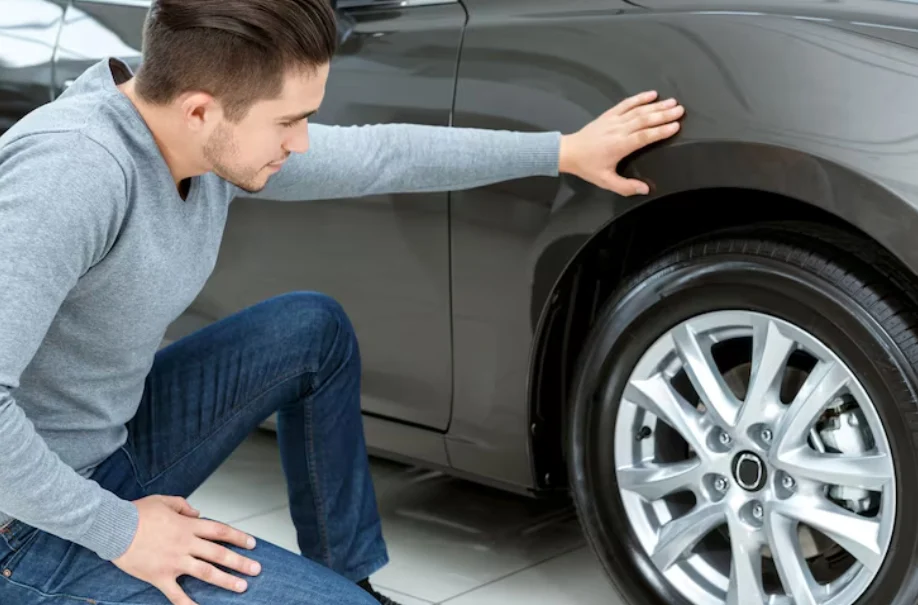
Tires are among the most important components of any vehicle, yet they are often overlooked until something goes wrong. Drivers may pay close attention to engine performance, oil changes, brakes, and fuel levels while giving little thought to the four pieces of rubber connecting the vehicle to the road.
The condition of those tires influences nearly every aspect of driving, including braking, steering, stability, fuel efficiency, and overall safety. Understanding why tire condition matters can help drivers avoid unnecessary risks and maintain better control of their vehicles.
Tires Are the Vehicle’s Contact With the Road
No matter how advanced a vehicle may be, its ability to accelerate, brake, and turn ultimately depends on the tires.
Modern vehicles may have anti-lock braking systems, traction control, electronic stability systems, and advanced suspension technology, but these systems still rely on the tires to create sufficient grip.
If the tires are worn, damaged, or improperly inflated, even sophisticated safety technology may not perform as effectively as intended.
Because only a relatively small portion of each tire touches the road at any moment, maintaining that contact area is extremely important.
Worn Tread Reduces Grip
Tire tread is designed to maintain traction while helping remove water from underneath the tire.
As tread wears down, the tire becomes less capable of maintaining reliable contact with the road, particularly in wet conditions.
During heavy rain, worn tires may struggle to push water away quickly enough. This can increase the possibility of hydroplaning, where the tire temporarily rides on a layer of water instead of maintaining proper contact with the road surface.
When this happens, steering and braking control may be significantly reduced.
Drivers should inspect tread depth regularly rather than waiting until the tires appear completely smooth.
Tire Condition Affects Braking Distance
Braking performance does not depend on the brake system alone.
Healthy brake pads and rotors can slow the wheels, but the tires must transfer that braking force to the road.
A tire with insufficient tread or poor grip may take longer to stop, especially on wet or slippery surfaces.
This difference can become important during sudden braking situations.
A few extra meters of stopping distance may determine whether a driver stops safely or collides with another vehicle or obstacle.
Maintaining tires in good condition therefore supports the effectiveness of the entire braking system.
Incorrect Tire Pressure Creates Additional Problems
Tire condition includes more than tread depth.
Air pressure is equally important.
Underinflated tires create greater rolling resistance because more of the tire surface bends and contacts the road. This can increase fuel consumption while generating additional heat inside the tire.
Overinflated tires can create different problems. They may reduce the effective contact patch with the road and make the ride feel harsher. Excessive pressure can also contribute to uneven tread wear.
Checking tire pressure regularly according to the vehicle manufacturer’s recommendations helps maintain proper handling and efficiency.
Drivers should typically check pressure when the tires are cold because driving naturally increases tire temperature and pressure.
Uneven Wear May Reveal Other Vehicle Problems
Tire wear can also provide useful information about the condition of the vehicle.
For example, excessive wear on one edge of a tire may indicate wheel alignment problems. Uneven patches or unusual wear patterns can sometimes point to suspension or balancing issues.
Ignoring these warning signs may cause tires to wear prematurely.
A simple tire inspection can therefore reveal mechanical problems before they become more expensive.
Drivers who notice unusual wear should consider having the vehicle’s alignment, suspension, and wheel balance inspected.
Damaged Tires Can Fail Unexpectedly
Not every tire problem develops gradually.
Road hazards such as potholes, sharp objects, broken pavement, and curbs can damage tires suddenly.
Drivers should watch for visible warning signs including:
- Cracks in the sidewall
- Bulges or bubbles
- Exposed cords
- Deep cuts
- Embedded objects
- Unusual vibration while driving
A bulge in particular may indicate internal structural damage. Continuing to drive on a seriously damaged tire can increase the risk of sudden failure.
When significant damage is discovered, professional inspection is usually the safest approach.
Good Tires Improve Handling
Drivers often associate vehicle handling with suspension design, steering systems, or performance upgrades. Tires, however, play an equally important role.
A quality tire in good condition can improve steering response, cornering stability, and road feedback.
Worn or damaged tires may make a vehicle feel less predictable, particularly during emergency maneuvers.
The difference becomes especially noticeable when driving through rain, taking curves, or making sudden lane changes.
Maintaining consistent tire condition across all four wheels can help the vehicle respond more predictably.
Tires Affect Fuel Economy
Poor tire maintenance can also increase operating costs.
Underinflated tires create additional rolling resistance, forcing the engine to work harder to maintain speed. Over thousands of kilometers, this additional resistance can contribute to unnecessary fuel consumption.
Correct tire pressure helps reduce rolling resistance while supporting even tread wear.
Regular rotation can also help extend tire lifespan by distributing wear more evenly.
These simple maintenance practices can save money while improving driving safety.
Tire Age Matters Too
A tire may still have visible tread while being too old for reliable service.
Rubber naturally changes over time because of heat, sunlight, oxygen, and environmental exposure.
As tires age, they may become harder or develop cracks.
Drivers should check the manufacturing date printed on the tire sidewall and follow recommendations from the tire manufacturer or vehicle manufacturer regarding replacement.
Vehicles that are driven infrequently still require tire inspections because low mileage does not prevent rubber from aging.
A Simple Inspection Can Prevent Major Problems
Checking tires does not require complicated equipment.
Drivers can regularly inspect tread condition, tire pressure, sidewalls, and overall wear patterns.
It is also useful to pay attention to changes while driving. New vibrations, pulling to one side, unusual road noise, or changes in steering response may indicate a tire-related issue.
Addressing small problems early can prevent larger repair bills and reduce the possibility of roadside emergencies.
Conclusion
Tires may appear simple, but their condition affects almost everything a vehicle does on the road. Braking, steering, fuel efficiency, stability, and comfort all depend heavily on proper tire performance.
Regular pressure checks, tread inspections, rotations, wheel alignment checks, and timely replacement can significantly improve vehicle reliability.
Instead of treating tires as components that only need attention after a puncture, drivers should consider them an essential part of routine vehicle maintenance. Keeping tires in good condition is one of the simplest ways to improve safety, extend vehicle performance, and enjoy greater confidence behind the wheel.
Read more : How Modern Safety Features Are Changing the Driving Experience