
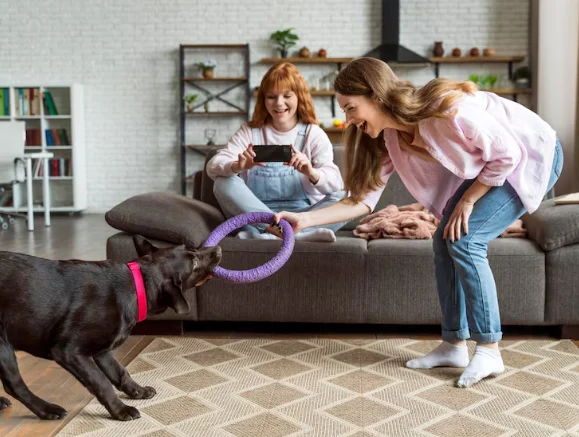
Playtime is much more than a source of entertainment for pets. Whether you have a playful puppy, an energetic cat, a curious rabbit, or another companion animal, regular activity plays an important role in supporting both physical and emotional health. Pets naturally need opportunities to move, explore, interact, and use their instincts. Without enough stimulation, they may become bored, frustrated, overweight, or even develop unwanted behaviors.
Making time for daily play can help pets remain healthier, happier, and more connected to the people around them.
Supports Healthy Weight and Fitness
One of the most obvious benefits of playtime is physical exercise. Pets that regularly run, chase, climb, jump, or explore are more likely to maintain a healthy body weight.
Obesity can become a serious health concern for pets, especially when excessive food intake is combined with limited activity. Carrying extra weight may place additional pressure on joints and can make normal movement more difficult.
Games such as fetch, tug-of-war, chasing toys, or interactive obstacle courses encourage pets to stay active. Cats may enjoy chasing feather wands, toy mice, or laser-style toys, while dogs often benefit from walks combined with active games.
The type and intensity of exercise should always match your pet’s age, breed, health condition, and energy level.
Strengthens Muscles and Coordination
Regular movement helps develop and maintain muscle strength. Young pets can improve balance and coordination through controlled play, while adult animals benefit from maintaining flexibility and physical conditioning.
For older pets, gentle activity can also be valuable. Short play sessions, slow walks, or simple food-search games may encourage movement without putting excessive strain on the body.
Interactive activities that involve changing direction, reaching, climbing, or retrieving objects can help pets practice different types of movement.
Provides Important Mental Stimulation
Physical exercise is only one part of play. Pets also need mental challenges.
Many animals naturally enjoy investigating scents, solving problems, hunting, searching for food, or figuring out how objects work. Puzzle feeders, treat-dispensing toys, hiding games, and training exercises encourage pets to think while they play.
Mental stimulation can be especially helpful for indoor pets that may have fewer opportunities to explore changing environments.
For example, hiding small treats around a safe room can encourage a dog or cat to use its senses to locate them. Puzzle toys can also make pets work for food rather than simply eating from a bowl.
Changing toys occasionally can help keep activities interesting.
Helps Reduce Boredom
A pet that spends long periods without activity may quickly become bored.
Boredom can sometimes contribute to behaviors such as chewing furniture, scratching inappropriate surfaces, digging, excessive barking, repeatedly seeking attention, or knocking objects over.
Providing appropriate outlets for energy can help redirect these behaviors toward healthier activities.
Instead of simply giving your pet many toys at once, consider rotating them throughout the week. A toy that disappears for several days may feel interesting again when it returns.
Even simple household items designed or prepared safely for pets can sometimes provide new experiences.
Supports Emotional Well-Being
Play can have an important emotional role as well.
Positive activity gives pets opportunities to release energy and participate in enjoyable experiences. Pets that receive regular interaction may appear more relaxed and content because their physical and social needs are being addressed.
Interactive games can also help pets gain confidence. Successfully finding a hidden treat, learning a new trick, or completing a simple obstacle can provide rewarding experiences.
For shy or recently adopted animals, gentle play may gradually help them feel more comfortable in their surroundings.
However, interaction should never be forced. Some pets need additional time before they feel confident enough to participate.
Strengthens the Human-Pet Bond
Playtime provides valuable one-on-one interaction between pets and their owners.
When you regularly participate in enjoyable activities with your pet, your presence becomes associated with positive experiences. This can strengthen trust and communication.
You may also learn more about your pet’s personality through play. Some animals enjoy chasing games, while others prefer puzzle toys, training sessions, wrestling with appropriate toys, or quieter activities.
Understanding these preferences makes it easier to create experiences that your pet genuinely enjoys.
Training can also become part of playtime. Practicing commands such as “sit,” “stay,” “come,” or simple tricks can provide both mental stimulation and positive interaction when reward-based methods are used.
Encourages Natural Behaviors
Many forms of play mimic behaviors animals would naturally perform.
Cats often enjoy stalking, chasing, pouncing, and climbing. Dogs may enjoy retrieving, digging, searching, carrying objects, or playing socially.
Providing safe ways to express these instincts can make a pet’s environment much more enriching.
For cats, climbing towers, scratching posts, tunnels, and moving toys can create opportunities for exploration. Dogs may enjoy scent games, fetch, chew toys, or activities designed around their breed characteristics.
Allowing pets to engage in appropriate natural behaviors can contribute significantly to their overall quality of life.
How Much Playtime Does a Pet Need?
There is no single amount of playtime suitable for every pet.
Age, breed, size, personality, health, and lifestyle all influence activity requirements. A highly energetic young dog may need significantly more exercise than an elderly companion animal. Likewise, some cats enjoy several active sessions each day, while others prefer shorter periods of play.
Several short sessions throughout the day are often easier and more enjoyable than one extremely long session.
Watch your pet’s behavior closely. Signs such as heavy panting, reluctance to continue, limping, excessive tiredness, or discomfort may indicate that the activity should stop.
Final Thoughts
Playtime is an essential part of responsible pet care. Regular activity supports healthy weight, muscle strength, coordination, mental stimulation, emotional well-being, and natural behavior. It can also reduce boredom while strengthening the relationship between pets and their owners.
You do not need expensive equipment to create meaningful play experiences. A favorite toy, a short training session, a game of fetch, a puzzle feeder, or a few minutes of interactive attention can make a significant difference.
By including safe and enjoyable play in your pet’s daily routine, you can help provide the physical activity, mental enrichment, and emotional connection they need to enjoy a healthier and happier life.
Read more: How Data Can Help Businesses Make Smarter Everyday Decisions