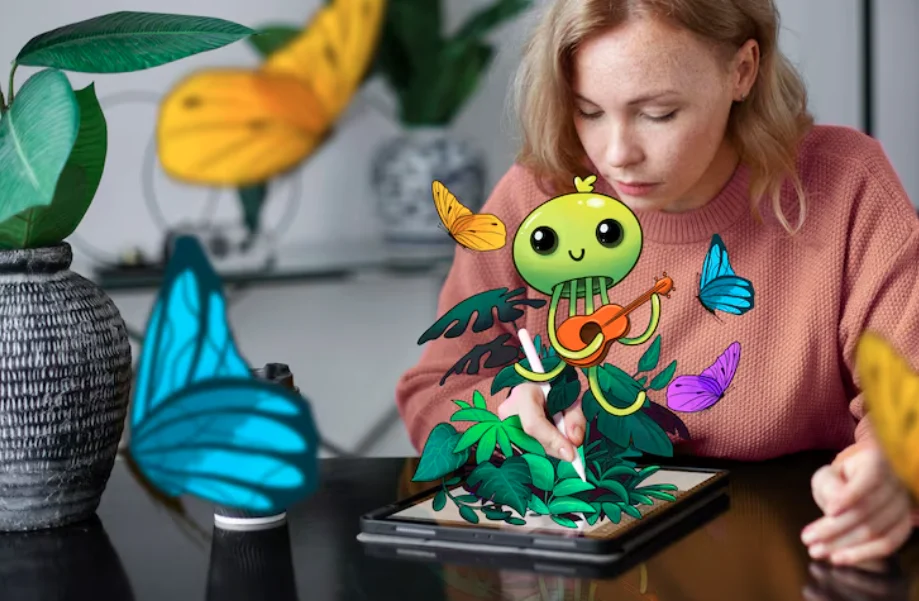
Nature has influenced artists for thousands of years, appearing in everything from ancient cave paintings to classical landscapes and botanical illustrations. In contemporary art, however, nature plays an even broader role. It is no longer simply something artists observe and reproduce. Today, the natural world can serve as a subject, material, setting, symbol, and even an active participant in the creative process.
As concerns about climate change, sustainability, urban expansion, and biodiversity become increasingly important, artists are finding new ways to explore humanity’s connection with the environment. Through painting, sculpture, photography, digital media, installations, and land-based works, contemporary art continues to reveal how closely culture and creativity are tied to nature.
Nature as a Source of Visual Inspiration
One of the most direct ways nature shapes contemporary art is through its visual qualities. Artists continue to find inspiration in mountains, forests, oceans, flowers, animals, clouds, rocks, and changing weather.
Yet contemporary artists do not always represent these subjects realistically. Natural patterns may instead inspire abstract compositions. The branching structure of a tree, the movement of waves, the symmetry of a leaf, or the texture of stone can become the foundation for shapes, colors, and visual rhythms.
Organic forms often provide an alternative to rigid geometric design. Curved lines, irregular surfaces, and naturally occurring patterns can create artwork that feels spontaneous and alive.
Color is another important influence. Earth tones, ocean blues, forest greens, floral colors, and dramatic sunset shades frequently appear in modern artworks. These colors can evoke specific environments while also communicating emotions such as calmness, energy, isolation, or renewal.
Environmental Concerns Become Artistic Subjects
Nature also plays a central role in contemporary art because environmental issues affect societies around the world. Artists increasingly explore topics such as climate change, deforestation, pollution, water scarcity, species loss, and rising sea levels.
Rather than simply presenting beautiful landscapes, some contemporary works show environments under pressure.
For example, photographs of melting glaciers may document ecological change, while installations made from discarded plastic may draw attention to waste entering oceans. Other artists may focus on disappearing forests, polluted rivers, damaged ecosystems, or the consequences of excessive consumption.
Art can make environmental problems feel more immediate because it communicates through images, materials, and experiences rather than statistics alone. A viewer may emotionally connect with an environmental issue after seeing it represented through a powerful artwork.
In this way, contemporary art often becomes a space where ecological concerns can be examined from both emotional and cultural perspectives.
Natural Materials Enter the Artwork
Many artists are also using materials taken directly from nature.
Wood, soil, sand, stone, leaves, branches, flowers, water, clay, and other organic materials can become part of sculptures and installations. These materials may be chosen for their appearance, texture, symbolism, or connection to a particular place.
Unlike manufactured materials, natural materials frequently change over time. Leaves dry, flowers fade, wood weathers, water evaporates, and soil shifts.
Some artists intentionally allow these transformations to become part of the artwork. Instead of creating something designed to remain unchanged forever, they create pieces that evolve with time.
This approach challenges traditional ideas about permanence in art. It can also reflect natural cycles of growth, decay, renewal, and transformation.
The Landscape Becomes a Creative Space
Contemporary artists do not always create work inside studios or galleries. In land art and site-specific installations, the landscape itself can become part of the artistic composition.
Artists may arrange stones, carve patterns into sand, shape earth, construct temporary structures, or create installations that respond to the geography of a particular location.
These works are often designed specifically for forests, deserts, coastlines, fields, or other outdoor environments.
The location can influence how the artwork is experienced. Wind, sunlight, temperature, rain, tides, vegetation, and changing seasons may affect its appearance.
Some outdoor artworks eventually disappear because natural forces gradually alter them. Their temporary existence can highlight the idea that both nature and human creations are constantly changing.
Sustainability Influences Artistic Practice
The environmental impact of artistic production has also become an important consideration.
Some contemporary artists deliberately use recycled, reclaimed, or biodegradable materials. Discarded wood, metal, paper, fabric, glass, and plastic may be transformed into new creative works.
This approach can reduce waste while also giving materials a different meaning.
An object that was previously considered useless may become part of a sculpture or installation. Its previous history can contribute to the message of the artwork, especially when the work addresses consumer culture or environmental responsibility.
Artists may also reconsider how exhibitions are produced, transported, and installed. Sustainability is therefore becoming not only a subject within contemporary art but also part of the creative process itself.
Technology Creates New Views of Nature
Interestingly, digital technology has not weakened the relationship between art and nature. Instead, it has created new ways of interpreting the natural world.
Artists can use photography, satellite imagery, drones, digital modeling, animation, virtual reality, and data visualization to explore environmental subjects.
Scientific information can also become artistic material.
Climate records, migration patterns, ocean temperatures, rainfall data, or forest measurements can be transformed into visual compositions. These works connect science and creativity while helping audiences see environmental information from a different perspective.
Digital tools may even allow viewers to experience distant or threatened environments through immersive installations.
Nature and Human Identity
Contemporary art often explores the idea that humans are not separate from nature.
Artists may examine relationships between bodies, landscapes, food systems, animals, plants, cities, and natural resources. These works can question how modern lifestyles have changed people’s connection with the environment.
Urbanization makes this discussion especially relevant. As more people live in cities, encounters with natural environments may become less frequent. Artists sometimes respond by bringing plants, natural sounds, organic materials, or landscape imagery into galleries and public spaces.
Such work can remind audiences that even highly developed cities continue to depend on natural systems.
Conclusion
Nature remains one of the most powerful influences on contemporary art because it offers endless possibilities for observation, interpretation, and experimentation. Artists continue to draw inspiration from landscapes, organic forms, natural materials, environmental challenges, and ecological systems.
At the same time, the relationship between art and nature is evolving. Contemporary artists are not merely depicting the environment; they are questioning humanity’s role within it, experimenting with sustainable practices, and creating works that respond directly to environmental change.
As ecological concerns become increasingly important, nature will likely remain a major force shaping artistic ideas. Through creativity, contemporary art can help people see the natural world not only as scenery, but as a complex system that influences culture, identity, and everyday life.
Read more : Schwarzer Humor Witze 18+ – Lachen auf die dunkle Art/How Digital Tools Are Changing the Way Modern Artists Create