
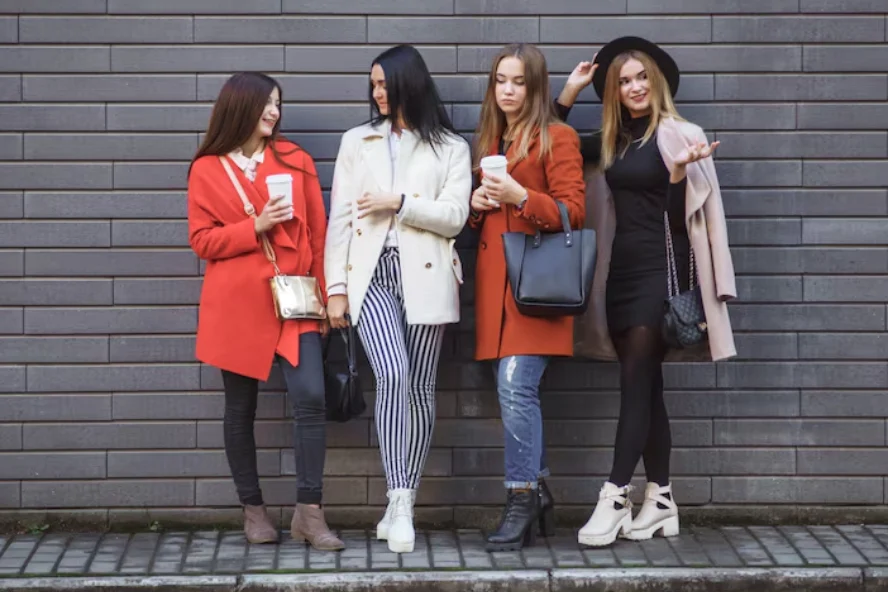
Color is one of the most powerful elements in fashion. Before someone notices the fabric, brand, cut, or accessories of an outfit, they often notice its color. The shades we wear can influence how an outfit feels, how others perceive it, and even how confident or comfortable we feel while wearing it.
Choosing colors is therefore about more than matching pieces together. Different colors can create energy, elegance, softness, confidence, calmness, or playfulness. Understanding how color affects the mood of an outfit can make everyday styling much easier.
Bright Colors Create Energy
Bright colors such as red, yellow, orange, electric blue, and vivid green naturally attract attention. They can make an outfit appear energetic, cheerful, and expressive.
A simple outfit consisting of jeans and a white shirt can instantly feel more exciting when paired with a bright red jacket or yellow handbag. These shades are especially useful when someone wants their clothing to feel lively rather than understated.
Red often creates a strong, confident impression, while yellow can give an outfit a cheerful and optimistic character. Orange tends to feel warm and adventurous, while bright blue can create a modern and refreshing appearance.
Because strong colors attract the eye, they are often most effective when balanced with calmer shades.
Neutral Colors Create a Calm and Polished Look
Neutral colors remain popular because of their versatility. Black, white, beige, cream, gray, brown, and similar tones can create outfits that feel balanced and sophisticated.
An outfit built around beige trousers, a cream sweater, and brown shoes may communicate warmth and simplicity without appearing boring. Gray and white combinations can create a clean, modern look, while black frequently adds refinement.
Neutral outfits are also easy to personalize. Someone who prefers minimalist fashion may wear neutrals from head to toe, while another person might use neutral clothing as the background for colorful accessories.
The simplicity of neutral colors allows the structure and texture of clothing to become more noticeable.
Dark Colors Can Add Elegance and Drama
Darker shades often create a different emotional atmosphere. Black, navy, burgundy, charcoal, and deep green can make an outfit feel sophisticated, formal, or dramatic.
Black is particularly versatile. A black outfit may look professional during the day and elegant during an evening event simply by changing accessories.
Deep navy can provide similar sophistication while feeling slightly softer than black. Burgundy and dark green can add richness without becoming overly bright.
Dark colors are frequently used for formal clothing because they create a strong, composed appearance. However, combining several very dark shades can sometimes make an outfit feel heavy. Adding lighter accessories or contrasting textures can prevent this.
Pastel Colors Create Softness
Pastel shades such as pale pink, lavender, baby blue, mint green, and soft peach can create a gentle and relaxed mood.
These colors often appear in spring wardrobes because they complement the lighter atmosphere of the season. However, pastels can work throughout the year depending on how they are styled.
For example, a lavender blouse with white trousers may feel fresh and elegant, while a pale blue sweater with gray pants can create a calm everyday outfit.
Pastels also work well when someone wants to introduce color without wearing something extremely bold.
Earth Tones Create Warmth
Earth-inspired colors such as olive green, rust, camel, terracotta, tan, and chocolate brown have become important parts of many modern wardrobes.
These shades often create a natural, comfortable, and grounded feeling. They work particularly well with materials such as denim, suede, leather, linen, and wool.
An olive jacket paired with beige trousers, for example, can create a relaxed yet stylish combination. Similarly, a rust-colored sweater with dark jeans can produce a warm seasonal look.
Earth tones are also easy to combine because many of them naturally complement one another.
Monochromatic Outfits Can Feel Sophisticated
A monochromatic outfit uses different shades of the same color family. Instead of combining several contrasting colors, the outfit focuses on variations of one shade.
For example, someone might wear cream trousers, a beige shirt, and a camel coat. Although the colors are similar, differences in tone and texture create visual interest.
Blue monochromatic outfits can feel calm and modern, while all-black clothing may appear sleek and dramatic.
This technique can make an outfit look carefully coordinated without requiring complicated color combinations.
Contrasting Colors Add Personality
Color contrast can completely change the personality of an outfit. Pairing opposing or noticeably different shades creates visual energy.
Examples include blue with orange, purple with yellow, or red with green. These combinations can feel creative and playful when used thoughtfully.
Contrast does not always need to involve extremely bright colors. A navy dress paired with a cream handbag also creates contrast, but the result feels much more subtle.
The amount of contrast someone chooses depends largely on personal style and the occasion.
Accessories Can Change the Mood
Color does not have to dominate an entire outfit to influence its mood. Small accessories can make a significant difference.
A neutral outfit can become more playful with colorful shoes, a scarf, jewelry, or a handbag. Similarly, bright clothing can be made more balanced with black, beige, or brown accessories.
This makes accessories one of the easiest ways to experiment with unfamiliar colors without changing an entire wardrobe.
Personal Preference Still Matters
Although colors are often associated with certain moods, fashion remains highly personal. Cultural influences, individual experiences, skin tone, surroundings, and personal preferences can all affect how someone responds to a color.
A shade that feels bold to one person may feel completely natural to another.
Instead of following strict rules, it is better to treat color psychology as a styling tool. Experimenting with different combinations helps people discover which colors make them feel confident and comfortable.
Final Thoughts
Color can dramatically influence the overall mood of an outfit. Bright shades can introduce energy, neutrals can create calmness, dark colors can add sophistication, and pastels can provide softness.
Even small adjustments can change how clothing feels. Adding a colorful accessory, choosing a darker jacket, or building a monochromatic look can transform an otherwise simple outfit.
By paying attention to color, anyone can use fashion not only to look stylish but also to communicate a particular mood, personality, or feeling through what they wear.
Read more : The Fashion Basics That Make Everyday Styling Easier/Tennis und Schal Witze – Lustige Wortspiele zum Durchlachen