
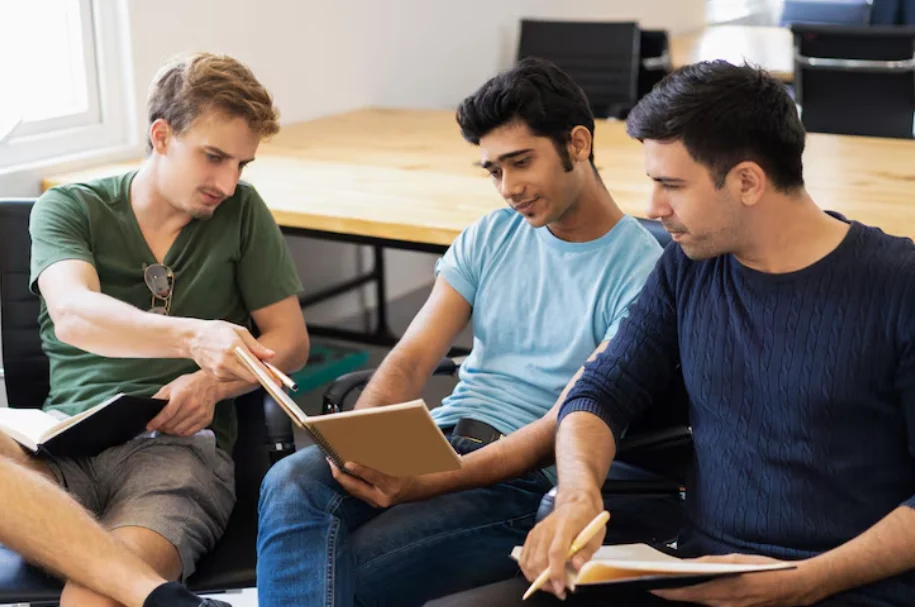
Student engagement plays a major role in academic success. When students are interested, involved, and motivated to participate, they are more likely to understand lessons, complete assignments, and retain what they learn. However, keeping every student engaged can be challenging, especially in classrooms where learners have different abilities, interests, and communication styles.
One effective way to create a more active learning environment is through collaborative learning. Instead of relying entirely on lectures or individual assignments, collaborative learning encourages students to work together toward shared academic goals. Through discussion, teamwork, problem-solving, and peer support, students become active participants in the learning process.
What Is Collaborative Learning?
Collaborative learning is an educational approach in which students work in pairs or groups to explore ideas, complete projects, solve problems, or discuss academic topics. The teacher still plays an important role, but instead of providing all the information directly, the teacher often acts as a guide or facilitator.
Examples of collaborative learning include group discussions, peer teaching, team presentations, classroom debates, research projects, problem-solving activities, and cooperative assignments.
The main idea is simple: students can learn not only from their teachers but also from one another.
Encourages Active Participation
Traditional lectures can sometimes turn students into passive listeners. They may take notes and follow instructions without becoming deeply involved in the subject.
Collaborative learning changes this dynamic. Students must contribute ideas, respond to classmates, ask questions, and participate in decisions. Because they have an active role, they are more likely to pay attention and remain involved throughout the lesson.
For example, a teacher might divide the class into small groups and give each group a problem to solve. Every student can contribute a different idea or strategy. This creates a more interactive classroom where students are doing something with the information rather than simply receiving it.
Builds Communication Skills
Working with classmates gives students regular opportunities to practice communication. They learn how to explain their ideas clearly, listen to different perspectives, ask useful questions, and provide constructive feedback.
These skills are valuable both academically and outside the classroom.
Students also begin to understand that disagreement does not have to be negative. During a group activity, classmates may have different opinions about the best answer or approach. Learning to discuss those differences respectfully can strengthen communication and decision-making abilities.
Makes Learning More Social
For many students, learning becomes more enjoyable when it includes social interaction. Collaborative activities create opportunities for students to connect with classmates while completing academic tasks.
This social element can make lessons feel less repetitive and more engaging.
Students who feel connected to their classmates may also develop a stronger sense of belonging within the classroom. A supportive classroom community can encourage students to attend lessons, participate confidently, and take greater interest in their education.
Collaborative learning can be particularly helpful for students who hesitate to speak in front of an entire class. Sharing an idea with three or four classmates may feel much easier than answering a question in front of everyone.
Develops Critical Thinking
Group work often exposes students to ideas they might not have considered independently. One student may approach a problem logically, while another might introduce a creative solution.
By comparing different viewpoints, students are encouraged to examine their own thinking.
They may need to explain why they support a particular answer, evaluate evidence, identify weaknesses in an argument, or combine several ideas into a stronger solution.
This process promotes deeper learning because students are not simply memorizing information. They are analyzing, questioning, and applying what they know.
Encourages Peer Learning
Students sometimes understand explanations from classmates more easily because peers may describe difficult concepts using familiar language or examples.
Peer learning allows students to help one another understand challenging material.
Interestingly, the student providing the explanation also benefits. Teaching a concept requires a person to organize information clearly and identify the most important points. As a result, students can strengthen their own knowledge while helping others.
Teachers can support peer learning by assigning students different topics and asking them to teach their findings to classmates.
Increases Student Responsibility
Collaborative learning can encourage students to take greater responsibility for their work.
When completing an individual task, a student may only be responsible for personal performance. In a group project, however, individual effort can affect several classmates.
Students learn that meeting deadlines, completing assigned roles, and communicating with the group are important.
Teachers can make group responsibilities clearer by assigning roles such as researcher, presenter, note-taker, coordinator, or editor. Rotating these roles also gives students opportunities to develop different skills.
Supports Different Learning Styles and Strengths
Not every student learns in exactly the same way.
Some students are strong writers, while others communicate better verbally. Some enjoy research, while others are skilled at organizing information, designing presentations, or solving practical problems.
Collaborative learning provides opportunities for these different strengths to contribute to a shared goal.
For example, during a group presentation, one student may conduct research, another may organize the main points, and another may confidently present the information.
Over time, students can also learn new skills by observing and working with classmates who have different strengths.
Creates Opportunities for Immediate Feedback
During collaborative activities, students often receive feedback more quickly than they would during individual assignments.
If someone misunderstands an instruction or concept, another group member may notice and provide clarification. Students can compare answers, discuss mistakes, and adjust their thinking before submitting their final work.
Teachers can also move between groups, listen to discussions, and identify areas where students need additional support.
This makes collaborative learning useful for monitoring understanding while a lesson is still taking place.
Making Collaborative Learning Effective
Simply placing students in groups does not automatically create meaningful collaboration. Activities should have clear objectives and enough structure to keep students focused.
Teachers can improve collaborative learning by creating balanced groups, explaining expectations, assigning meaningful roles, encouraging equal participation, and assessing both individual and group contributions.
Group sizes should also remain manageable. Smaller groups often give every student more opportunities to participate.
Technology can support collaboration as well. Shared documents, digital whiteboards, classroom discussion platforms, and presentation tools allow students to work together even when they are not sitting in the same location.
Conclusion
Collaborative learning can transform the classroom from a place where students mainly receive information into an environment where they actively explore, discuss, and apply knowledge.
By working together, students can strengthen communication, critical thinking, responsibility, problem-solving, and social skills. They also gain opportunities to learn from different perspectives and support classmates who may need additional help.
When collaborative activities are carefully planned and guided, they can make lessons more interactive and meaningful. Most importantly, collaboration gives students a stronger role in their own education, helping create the engagement and participation needed for lasting academic growth.
Read more : Why Practical Skills Are Becoming More Important in Education/PTSO Meaning in Text: What Does PTSO Mean in Texting and Online Conversations?