
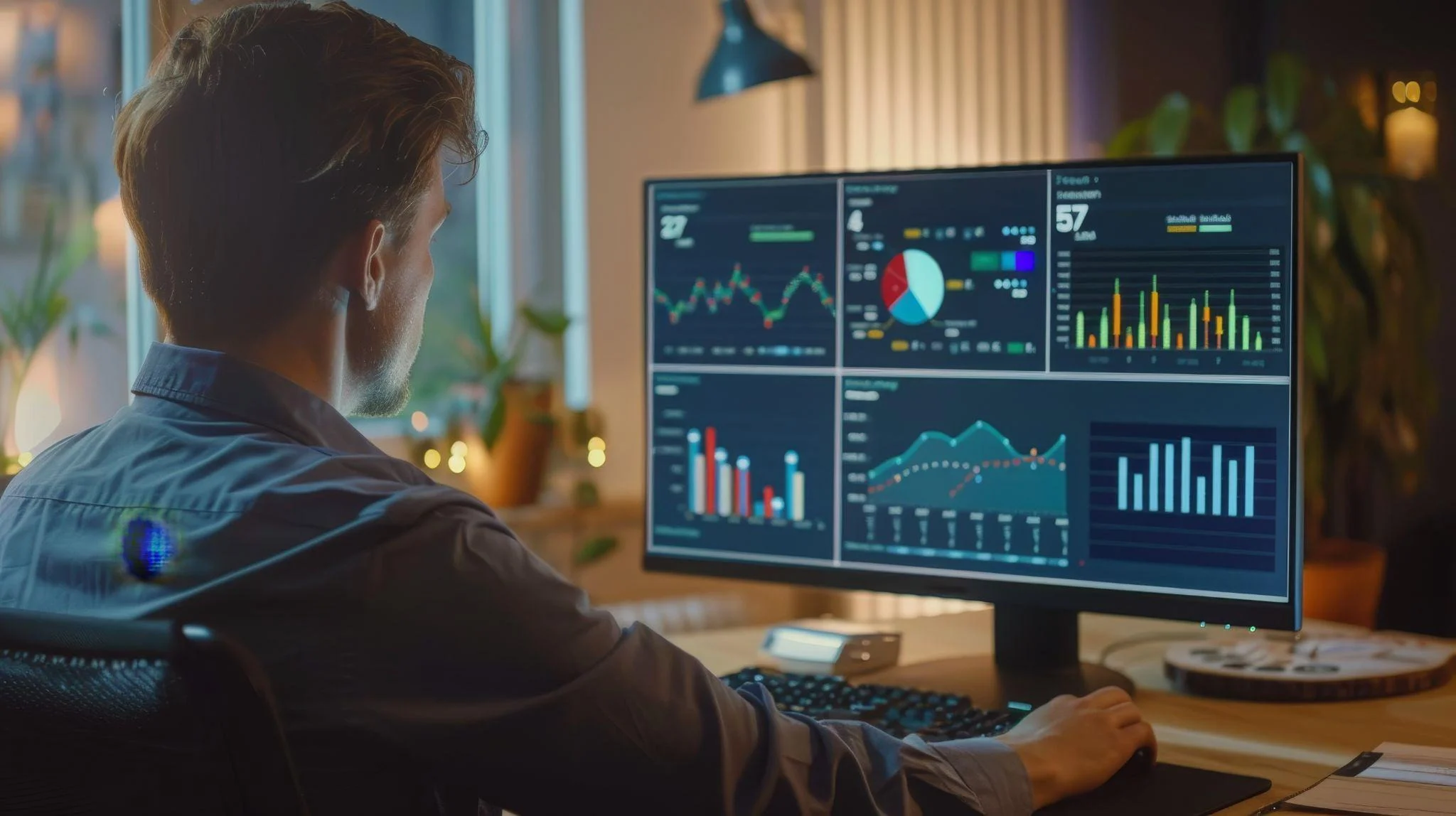
A fast-moving currency market can change direction in minutes. For traders, understanding price movements, monitoring currency pairs, and making timely decisions takes more than watching charts all day. Digital platforms now bring market data, technical indicators, and analytical features together to help traders organize their research.
Choosing suitable forex trading software can make market analysis more structured by helping users monitor price movements, identify potential patterns, and review trading information. However, technology cannot eliminate market uncertainty or guarantee profits.
Understanding Modern Forex Trading Software for Market Analysis
Modern trading platforms combine charting, market monitoring, and analytical features to help users interpret currency movements and organize their trading decisions more effectively.
1. Simplifying Currency Market Analysis
Currency prices respond to economic announcements, interest rate decisions, inflation figures, and global developments. Reviewing these factors manually can be challenging when you monitor several currency pairs at once. Digital platforms bring relevant information into a more organized workspace.
- Track currency pairs: Monitor selected pairs and review their price movements over different periods.
- Study historical data: Compare previous price behavior to understand market patterns.
- Organize market information: Keep charts, indicators, and relevant observations accessible in one place.
These features can support a more disciplined research process, although historical patterns do not reliably predict future market movements.
2. Making Technical Charts Easier to Interpret
Charts help traders examine price movements and identify potential support, resistance, and shifting momentum. Modern platforms offer customizable chart layouts and technical indicators that make it easier to compare different market conditions.
- Choose suitable timeframes: Examine short-term and longer-term price movements.
- Apply technical indicators: Use selected indicators to study momentum, trends, and volatility.
- Compare chart patterns: Review price behavior without assuming that similar patterns will produce identical outcomes.
Learning to interpret charts carefully can improve market awareness, but technical indicators should not replace independent analysis or risk management.
3. Using Automated Features Responsibly
Automation can reduce repetitive tasks by helping traders set alerts, apply predefined conditions, or execute instructions through supported platform features. These functions can help when markets move quickly and constant manual monitoring is impractical.
- Set price alerts: Receive notifications when selected market levels are reached.
- Define trading conditions: Establish rules before acting on market movements.
- Monitor automated activity: Review settings and execution rather than assuming automation will always work correctly.
Automation does not remove market risk. Technical failures, unexpected volatility, and poorly designed rules can cause losses, so regular oversight is essential.
4. Connecting Market News With Price Movements
Economic news can influence currency markets by changing expectations about interest rates, economic growth, and monetary policy. Trading platforms and supporting research resources can help users monitor relevant announcements alongside price charts.
- Follow economic calendars: Check scheduled releases that may influence selected currency pairs.
- Review market context: Consider the significance of announcements instead of reacting to headlines alone.
- Watch volatility: Recognize that prices and spreads may change sharply around major releases.
Combining economic context with technical analysis can create a broader market perspective. Nevertheless, unexpected developments may cause sudden movements that remain difficult to anticipate.
5. Prioritizing Risk Management Features
Market analysis is only one part of responsible trading. Traders also need to understand how much they could lose, how leverage affects exposure, and whether their chosen platform supports appropriate risk controls.
- Review stop-loss options: Understand how these orders are designed to limit losses, while recognising that execution prices are not guaranteed in all conditions.
- Monitor position sizes: Avoid taking exposure that exceeds personal financial limits.
- Understand leverage: Remember that leverage can magnify both gains and losses.
Risk management cannot prevent every loss, but it can help traders establish boundaries and avoid making decisions based solely on short-term market excitement.
Evaluating Forex Trading Software Before Making a Choice
Selecting a platform involves more than comparing charts or automated features. Traders should assess usability, costs, security, and the quality of available market information.
- Platform Usability: Choose an interface that makes charts, orders, account information, and analytical features easy to understand.
- Available Market Data: Check which currency pairs, pricing information, economic calendars, and research features are supported.
- Execution and Costs: Review spreads, commissions, order types, and any additional platform charges before trading.
- Security and Reliability: Examine account protection measures, service availability, and the provider’s regulatory information.
- Learning Resources: Look for clear documentation and educational materials that explain platform functions and trading risks.
Testing a platform in a demo environment, where available, can help users understand its features before committing real money. Actual trading conditions may differ from simulated results.
Building a More Informed Approach to Currency Trading
Modern currency markets require careful research, realistic expectations, and a clear understanding of financial risk. Traders can use analytical platforms to monitor price movements, study market trends, and organise their trading plans more effectively. Forex trading software can bring charting, price monitoring, and analytical functions together in one environment, helping users assess market information before making decisions.
However, choosing a platform should begin with clear objectives, personal risk tolerance, and familiarity with currency market behaviour. Traders should also examine available currency pairs, transaction costs, execution conditions, and account safeguards. It is equally important to verify whether a provider operates under appropriate regulatory oversight in the relevant jurisdiction. Careful research and disciplined planning can support informed decisions, but currency trading involves substantial financial risk, and no software or platform can guarantee profits.
Final Thoughts
Choosing suitable forex trading tools means evaluating how each feature supports research, planning, and risk awareness rather than focusing only on automation or advanced charts. Traders can compare platforms according to their analytical needs, available currency pairs, execution conditions, costs, and account safeguards.
A careful review of a provider’s offerings can help traders understand the services and information available before making a decision. BAZ Capital Markets Ltd (BAAZEX) provides a starting point for exploring its available offerings and platform information. They encourage prospective users to review the details carefully before deciding. Before opening an account, users should independently verify the company’s regulatory status, applicable terms, and service availability. Careful evaluation, continued learning, and disciplined risk management remain essential when navigating currency markets.
Read More : Smart Investing: How to Build a Diversified Portfolio