
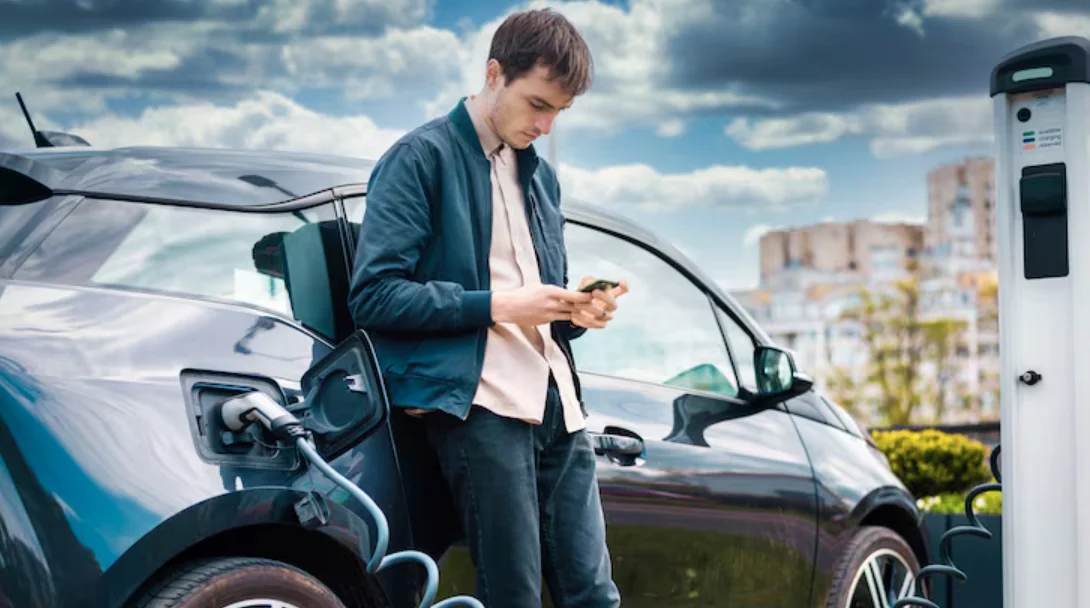
The automotive world is changing quickly, and drivers now have more choices than ever when it comes to efficient transportation. Two of the most popular alternatives to traditional gasoline vehicles are electric cars and hybrid cars. While both aim to reduce fuel consumption and emissions, they work in very different ways.
For everyday drivers, the difference between an electric vehicle and a hybrid is not just about technology. It affects how you refuel, how far you can travel, what maintenance you need, and even how you plan longer trips. Understanding these differences can make it easier to decide which type of vehicle fits your routine.
How Electric Cars Work
Electric cars, often called EVs, run entirely on electricity. Instead of a gasoline engine, they use one or more electric motors powered by a rechargeable battery.
Owners usually charge their vehicles at home, at work, or at public charging stations. Because there is no gasoline engine, an EV does not require fuel, engine oil, spark plugs, or many other components found in conventional cars.
Electric motors also deliver power almost instantly. This gives many EVs smooth and responsive acceleration even when they are designed mainly for everyday commuting.
The biggest lifestyle change is charging. Rather than visiting a fuel station when the tank becomes empty, many EV owners simply plug in their cars overnight and start the next morning with a charged battery.
How Hybrid Cars Work
Hybrid vehicles combine a gasoline engine with an electric motor and battery.
Unlike fully electric cars, most conventional hybrids do not need to be plugged into a charger. Their batteries are charged through the gasoline engine and regenerative braking, which captures energy normally lost during braking.
The electric motor assists the gasoline engine, particularly during low-speed driving and acceleration. This reduces fuel consumption compared with many traditional gasoline vehicles.
There are also plug-in hybrids, commonly known as PHEVs. These cars have larger batteries that can be charged externally and may travel a limited distance using electricity alone before switching to gasoline.
For everyday use, hybrids can feel very similar to conventional vehicles because drivers can simply stop at a fuel station whenever they need more range.
Charging vs Refueling
One of the clearest everyday differences involves energy.
With a hybrid vehicle, refueling normally takes only a few minutes. Drivers visit a petrol or gasoline station, fill the tank, and continue their journey.
Electric cars require charging instead. Charging time depends on the vehicle, charger type, battery condition, and charging infrastructure.
Home charging is often convenient because the vehicle can charge while the owner is sleeping. Public fast chargers can add significant range much more quickly than normal home chargers, although they still generally require more time than filling a fuel tank.
For people with reliable home charging, this routine can be extremely convenient. Drivers without access to home or workplace charging may need to rely more heavily on public infrastructure.
Everyday Driving Range
Range is another major consideration.
Hybrid vehicles can usually travel long distances because they have a gasoline engine. When fuel runs low, drivers simply refill the tank.
Electric vehicles rely completely on battery capacity. Modern EVs can offer substantial driving ranges, making them practical for commuting, shopping, school runs, and many longer journeys.
However, long-distance EV travel may require more planning. Drivers need to consider where charging stations are located and how long charging stops will take.
For someone who mainly drives around a city and charges at home, this may rarely become an issue. A driver who regularly travels through remote areas may value the flexibility of a hybrid.
Maintenance Differences
Electric vehicles typically have fewer mechanical components than hybrids.
There is no gasoline engine, meaning EV owners do not need engine oil changes, spark plug replacements, exhaust system repairs, or many other traditional engine services.
They still require maintenance for components such as tires, brakes, suspension, cooling systems, and cabin filters.
Hybrid vehicles contain both electric components and a combustion engine. As a result, they still require many traditional maintenance services.
However, regenerative braking in both EVs and hybrids may reduce wear on conventional brake components because the electric motor helps slow the vehicle.
Driving Experience
Electric cars are known for their quiet operation.
Without a gasoline engine constantly running, the cabin can feel noticeably calmer, especially during city driving. Electric motors also provide immediate torque, creating smooth and quick acceleration.
Hybrids are also quiet when operating in electric mode at lower speeds. However, the gasoline engine will start whenever additional power is needed or when the battery requires support.
Some drivers enjoy the nearly silent nature of EVs, while others may prefer the familiar behavior of a hybrid.
Running Costs
Electric cars can reduce everyday fuel expenses because electricity may cost less per mile or kilometer than gasoline, depending on local energy prices and charging methods.
Home charging is often more economical than relying heavily on public fast chargers.
Hybrids still consume gasoline, but their electric assistance can make them significantly more fuel-efficient than conventional vehicles.
Actual savings vary depending on fuel prices, electricity rates, driving conditions, vehicle efficiency, and individual driving habits.
Purchase prices should also be considered. EVs and hybrids may sometimes cost more upfront than comparable conventional vehicles, although incentives, lower operating costs, and reduced maintenance can influence total ownership expenses.
Which Fits Everyday Life Better?
Neither technology is automatically better for every driver.
Electric cars can work particularly well for people who have dependable charging access, drive predictable daily distances, and want to reduce their reliance on gasoline.
Hybrids may appeal to people who want improved fuel efficiency without changing their refueling habits. They can also be convenient for drivers who regularly travel long distances or live in areas where charging infrastructure remains limited.
Plug-in hybrids sit somewhere between the two. They allow shorter daily trips to be completed using electricity while keeping a gasoline engine available for longer journeys.
Final Thoughts
Electric and hybrid cars both represent important changes in personal transportation, but the ownership experience can be quite different.
Electric vehicles replace fuel stops with charging, reduce the number of traditional mechanical components, and provide quiet, responsive driving. Hybrids combine electric assistance with the familiarity and long-distance convenience of a gasoline engine.
The most suitable option depends largely on daily driving distance, charging availability, travel habits, local energy costs, and personal priorities.
Instead of focusing only on which technology sounds more advanced, drivers should consider how each vehicle would fit into their normal week. For many buyers, that everyday practicality is what ultimately determines whether an electric or hybrid car is the better match.
Read more : How Modern Safety Features Are Changing the Driving Experience