
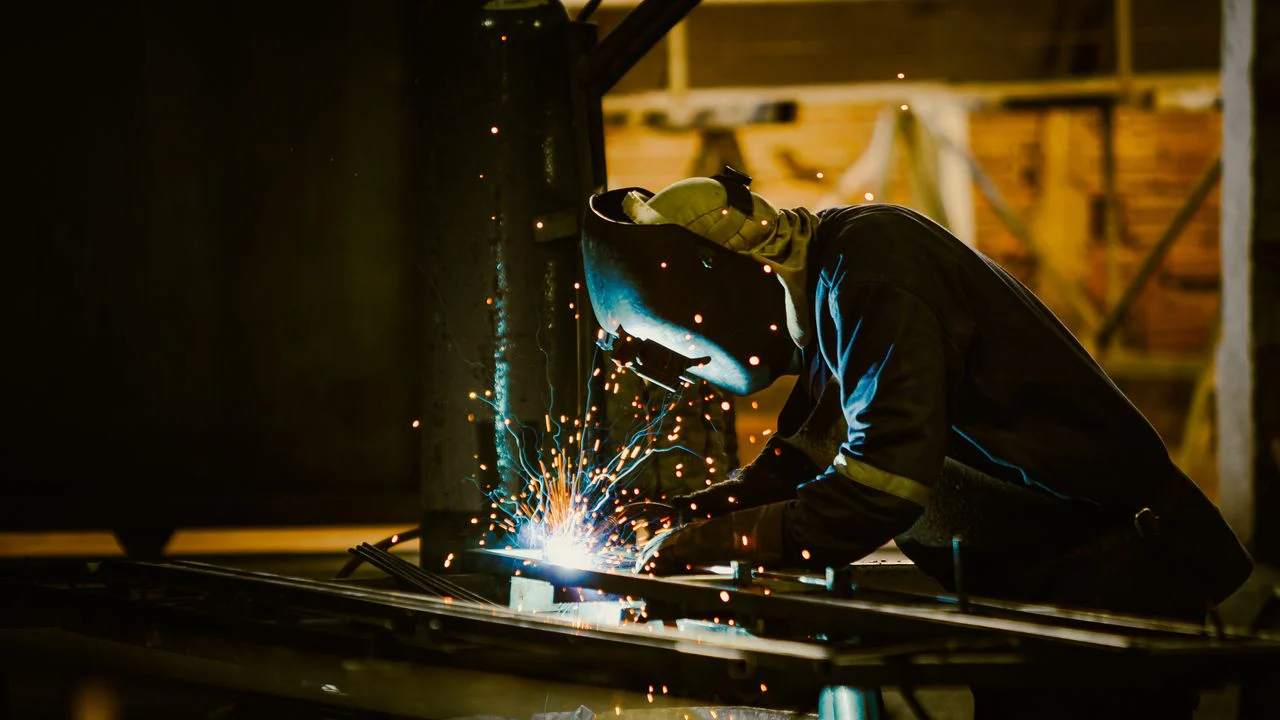
Keeping a welding shop running smoothly usually comes down to two things: turning out clean work and keeping your people out of the ER. Compressed gas is one of those daily hazards that’s easy to take for granted until a leaking hose or a tipped tank causes a mess. Spotting these risks early keeps your floor safe and saves you a lot of wasted cash.
What Are the Main Mechanical Hazards When Storage and Handling Cylinders?
High-pressure tanks are basically heavy metal missiles waiting to go off if someone gets lazy. Drop one or knock a valve off, and you’re looking at wrecked machinery or a trip to the hospital. A few basic floor rules go a long way in stopping those stupid, preventable accidents.
- Transport Cylinders Safely: Move tanks around using a solid hand cart with a safety chain wrapped tight around the cylinder body. Never roll them across the floor or drag them on their edges to save a few seconds. Always keep protective caps screwed down tight until the tank is strapped in and ready for a regulator.
- Secure Cylinders in Upright Positions: Anchor every tank upright against a wall or heavy steel frame using double chains or thick straps. It only takes one bumped cart to knock a loose cylinder over. Keep fuel gas tanks at least 20 feet away from oxygen cylinders, or throw a fireproof partition wall between them.
- Protect Tanks from Heat and Impact: Set up your storage bays well away from forklift lanes, hot sun, and direct sparks. A stray arc or hot slag can pit cylinder walls and create weak spots that blow out under pressure. Keep active tanks far enough from your work tables so splatter can’t reach them.
How Do Chemical Hazards and Gas Leaks Impact Your Daily Operations?
A tiny fitting leak might not seem like much, but it quietly eats away at your gas budget and ruins your weld quality. Bad gas coverage leads to porosity, weak joints, and hours spent grinding out bad work. On top of that, unaddressed gas leaks can turn your shop into a real fire risk.
- Detect Leaks Early: Spray soapy water or a non-corrosive leak detector over valves, regulators, and hose connections before starting up. If you see bubbles forming, you’ve got gas escaping into the room. Stopping those small leaks cuts down your bill for welding gas in Toronto and keeps your arc burning clean.
- Prevent Asphyxiation in Tight Spaces: Heavy shielding gases like argon displace oxygen fast when you’re working in closed rooms or tanks. A welder can pass out from lack of air before even realizing there’s a problem. Run extraction fans continuously and use portable oxygen meters whenever someone steps into a confined space.
- Manage Flammable Fuel Gases: Acetylene and propane can ignite from the smallest spark if gas builds up near the torch setup. Inspect lines daily for dry rot, burns, or loose crimps that bleed fuel into the air. Throw flashback arrestors on your torch lines so a flame can’t travel back down into the tank.
Why Are Fume Control and PPE Essential for Workforce Protection?
Welding fumes are loaded with fine toxic dust and chemical vapors that cause serious lung issues over time. If your shop air smells like burnt metal all day, your ventilation setup isn’t doing its job. Protecting your crew keeps people healthy, cuts down on sick days, and keeps work moving.
- Capture Fumes at the Source: Position flexible extractor arms right over your weld seam so smoke gets pulled away before anyone breathes it in. Catching fumes at the arc stops metal dust from settling over the rest of the shop floor. Keep main exhaust systems running through the whole shift to cycle fresh air through the building.
- Wear Proper Respiratory Gear: Hand out half-mask respirators rated for metal fumes to anyone working in tight spots or on dirty metal. They fit under standard hoods comfortably and keep fine particulate out of lungs. Swap out dusty filters on a set schedule so air flows easily.
- Equip Crew with Full Protective Gear: Make sure everyone on the line has leather sleeves, fire-resistant jackets, and reliable auto-darkening helmets. Solid gear prevents painful flash burns and keeps flying sparks from burning through clothes. Check gloves and aprons weekly and throw out gear that’s thin or torn.
How Can Risk Management Directly Drive Your Profitability?
Cutting down floor risks saves money directly by keeping your shop from burning through materials and billable hours. Clean safety habits build a solid reputation, making it easier to win bigger contracts from serious clients. Putting effort into safety and smart business planning keeps your cash flow steady.
- Reduce Consumable Waste: Fixing worn fittings and leaky torch valves stops your gas tanks from draining overnight when nobody’s working. Less wasted gas means lower monthly bills and better margins on every contract you take. Plus, stable shielding coverage cuts down on time spent grinding out porous welds.
- Protect Your Cash Flow: Surprise repairs or sudden safety compliance gear can hit your bank account hard if you aren’t prepared. Working with a flexible lender like Lamina gives you quick access to capital so you can fix broken gear without hurting payroll. Keeping working capital on hand lets you handle unexpected shop costs without stopping active projects.
- Attract High-Value Clients: Larger commercial buyers look for contractors with clean safety records and professional shops. Partnering with a skilled digital agency like Local SEO Search helps bring in local commercial clients who value quality over cheap work. Showing off your safety standards online helps turn walk-in interest into steady corporate contracts.
What Action Steps Build a Safer and More Profitable Enterprise?
Building a safer shop isn’t a one-time project; it’s just about getting small floor habits right every day. Simple steps like quick morning checks, replacing bad hoses right away, and keeping gear maintained prevent major headaches later. Take a look around your floor today, fix the easy stuff, and keep your business running smooth.
Read more : Why Legal Compliance Should Be Part of Business Planning